Tribute to Jane Abe, McCarthey Dressman Education Foundation Board Member
Jane Abe was a member of the Board of Trustees of the McCarthey Dressman Education Foundation
from its inception in 2000 to her death on March 15, 2016.
During her years of service Jane brought to the Board her passion for teaching, her extensive experiences working with children in the elementary grades, and her dedication to the profession. She deliberated over every proposal we received at the Foundation with deep empathy for teachers, a sharp eye for ideas that would make a difference to students, and a deep concern for the impact grants could make for teachers and students. Her mentorship of each project made a lasting impression on classrooms and all who had the opportunity to work with her will remember her commitment, guidance and care.
We miss Jane and will forever be grateful for having the opportunity to work with her on the Board.
Share this:

App Development and 3D Printing for At-Risk Youth increases Learner Confidence and Problem Solving Skills through Maker Magic
“Failure is a good thing in the development world, it teaches developers quite a bit.”-App Development Instructor
Becoming good at anything is a process. Educators know that students must develop confidence in the face of mistakes and failure, because they are truly an opportunity for learning. As Bob Lenz explains in Edutopia, “failure is an opportunity for students to receive feedback on their strengths as well as their areas of improvement — all for the purpose of getting better. When reframed as a good, constructive, and essential part of learning, failure is a master teacher,” (Failure is Essential to Learning, 2015).
In this report from App Development and 3D Printing for At-Risk Youth, you’ll hear more about how a partnership at Helensview Alternative High School in Portland, Oregon, helped students build confidence and work through failure by developing 3D printed objects and apps. By integrating “maker” culture which focuses on DIY (do it yourself) engineering, students gained confidence and developed problem solving skills. Learn more below!

Why support students in making and developing?
According to the funding proposal “When Google released their diversity stats it came as no surprise that nearly every field was dominated by white men” so with an interest in building interest in STEM careers, the non-profit organization ChickTech partnered with high school teacher Brian Granse to offer making opportunities in the classroom. ChickTech, which focuses on increasing gender diversity in technology through hands-on activities, supported Helensview educators in pursuing the following project goals:
- Provide at-risk students from Helensview Alternative High School with technical workshops
- Allow students to create unique 3D printed objects and apps
- Improve students’ confidence and interest in learning
- Create lessons that can be improved upon next year and shared with others
How can you use 3D printing and app development to enhance learning and student interest?

In this project, students were offered access to workshops instead of their regularly scheduled classes. For five weeks, regular 3 hour sessions were offered on Tuesday and Thursday afternoons. Initially, others in the school were concerned about the length of the sessions, given that most students had a hard time staying involved in 45 minute classes. As the students became engaged and interested, the school community was pleasantly surprised. Students were not only engaged, but some stayed after school had ended to continue to work on their projects, a feat the report called “unheard-of” for this school.
Workshops focused on two types of making, 3D printing and app development.
3D Printing Layers Learning in Geometry and Measurement with Practical Knowledge
In the 3D printing workshops, students created multiple unique 3-D printed objects they could later take home. These included:
- personalized name plates
- custom-shaped containers
- bracelets (also personalized)
- toy cars

The workshops supported the students in learning important concepts and skills for 3D printing (explained here by 3Dify) over the course of creating the various designs, including:
- creating 3D objects using basic sketch tools such as rectangles and circles
- customizing objects with text
- adding loops to an initial sketch to build a 3D object in successive layers
- using a computer to navigate three-dimensional space
- drawing complex sketches using geometry for practical objects such as containers
- creating objects based on real-world measurements
- creating objects with functional wheels
- sketching flat designs onto curved surfaces
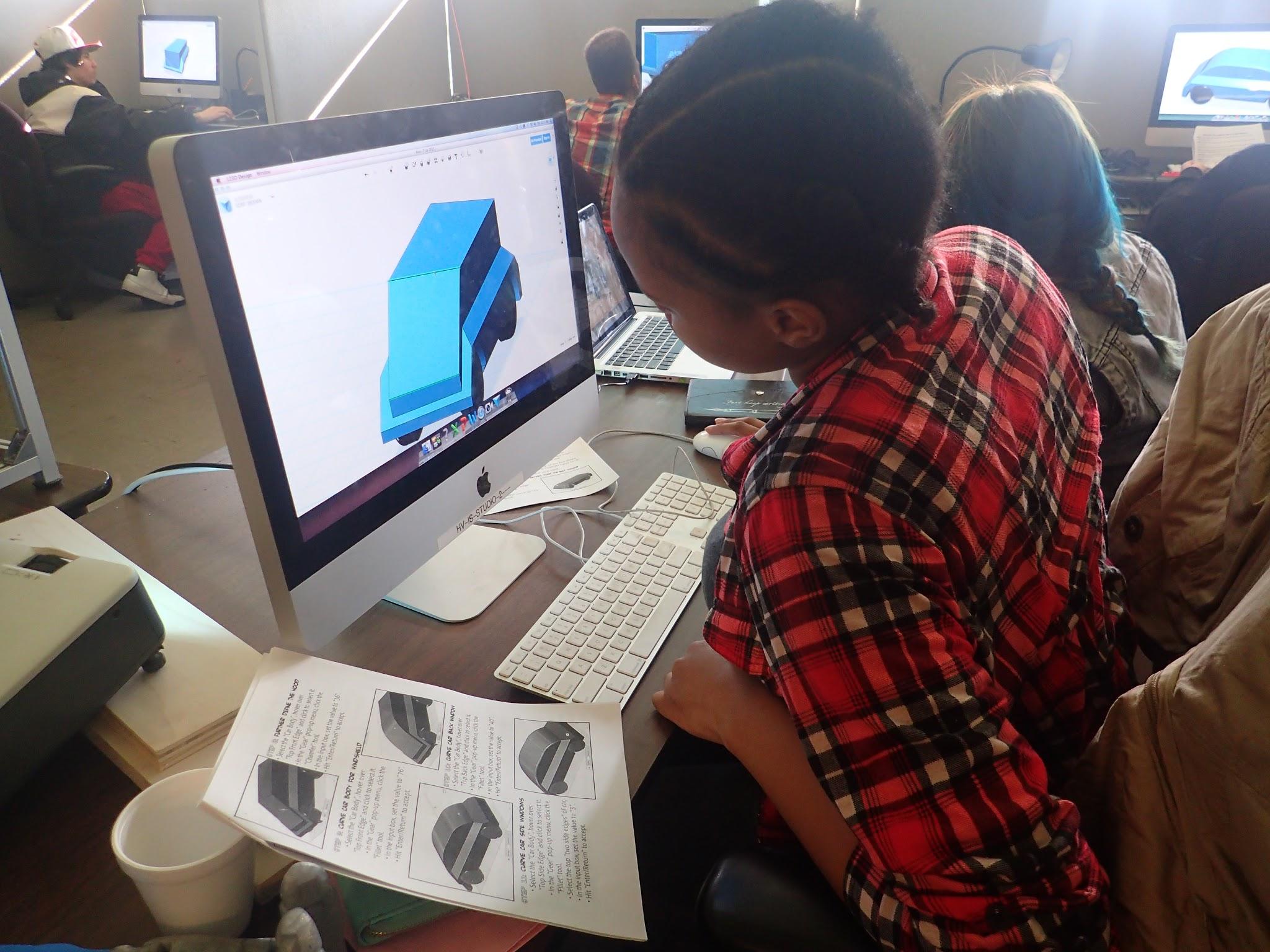
The more that the students learned, the more creativity they expressed. The most rewarding project for the instructors was the most complex and required the students to integrate all of the skills they were learning over time. By creating a custom built car model including customized mufflers, tailpipes, headlights, spoilers and wheels the students moved way beyond 3D modeling and into the real world – their designs even had to follow strict guidelines in order to be printable. “By the end, the students who clearly wanted to be designers stood out as did the students who wanted to be the builders of 3D printers” (Project Report) highlighting the effectiveness of the workshops focused on these skills.
App Development Builds Confidence in Problem Solving and Learning from Failure
The second series of workshops focused on app development, which also required the students to demonstrate complex problem solving skills. To get started, students followed a tutorial to learn TouchDevelop, an app creation tool, before brainstorming ideas for apps they would like to create. Once they decided what apps they wanted to develop they worked in teams to create them.
Learning how to develop apps required the students to practice and apply the following skills:
- problem solving
- content creation
- following directions
- managing time
- working in teams
Each app went through several iterations over the three week period. Two groups worked on two separate apps. One app taught about telling time on a conventional handed clock and the other taught about geometric math formulas that many students must learn for exams. Students also worked to incorporate a quiz feature that would test the app user’s knowledge of the content presented. Through trial and error, students learned about the complexity of app creation. According to the report, “Because the focus was on the process and not the finished app, students were able to explore many issues involved in developing technology for a wide audience of users. Students expressed how appreciative they were of apps that effectively solved problems as they understood how difficult it was to create and maintain a bug-free application.”
Although students came into the app creation workshops enthusiastically having already explored 3D printing, they needed a fair amount of encouragement to work through the challenges of app development. The instructor of the app development workshops wrote:
“Successful developers (app or otherwise) have a unique ability to manage frustration well, and this skill really only comes with practice and time. I did see students give up quickly at first. There was a lot of waiting for instruction rather than self guided discovery. My impression was that there was still a lot of fear attached with “failure.” Failure is a good thing in the development world, it teaches developers quite a bit. After explaining that to students, they were more inclined to try and try again without feeling frustrated. I noticed around this time, too, that students were starting to share what they were learning. If a student came up against the same bug or error message as another student had previously, it became an opportunity for those students to collaborate, and learn from one another.
We are fortunate enough to live in a world where apps are plentiful and most are very well made and fun to use. Once students learned how complex and time consuming the process really is, they were initially put off by the amount of work that loomed in front of them. Students came up with ideas that were really fun but ambitious. And once the hard work started, it was a struggle to keep the students motivated. The enormity of making an entire app that looked as flashy as something already on the market started to seem like a “why bother” scenario. But, by breaking our apps into smaller, more manageable pieces, the students had consistent success with creating new features.
There are almost infinite solutions to solving even the same problem in computer programming, so we really tried to communicate to the students that giving up is not an option. There is always something new to try. At points I know the students would have preferred to give up altogether, but I did see them gradually start to shift away from one problem to tackle another-rather than abandoning the entire project altogether. That is a very evolved problem solving technique, and one that even professional developers don’t learn until years on the job.”
Celebrating Results of a Maker Nurturing Project
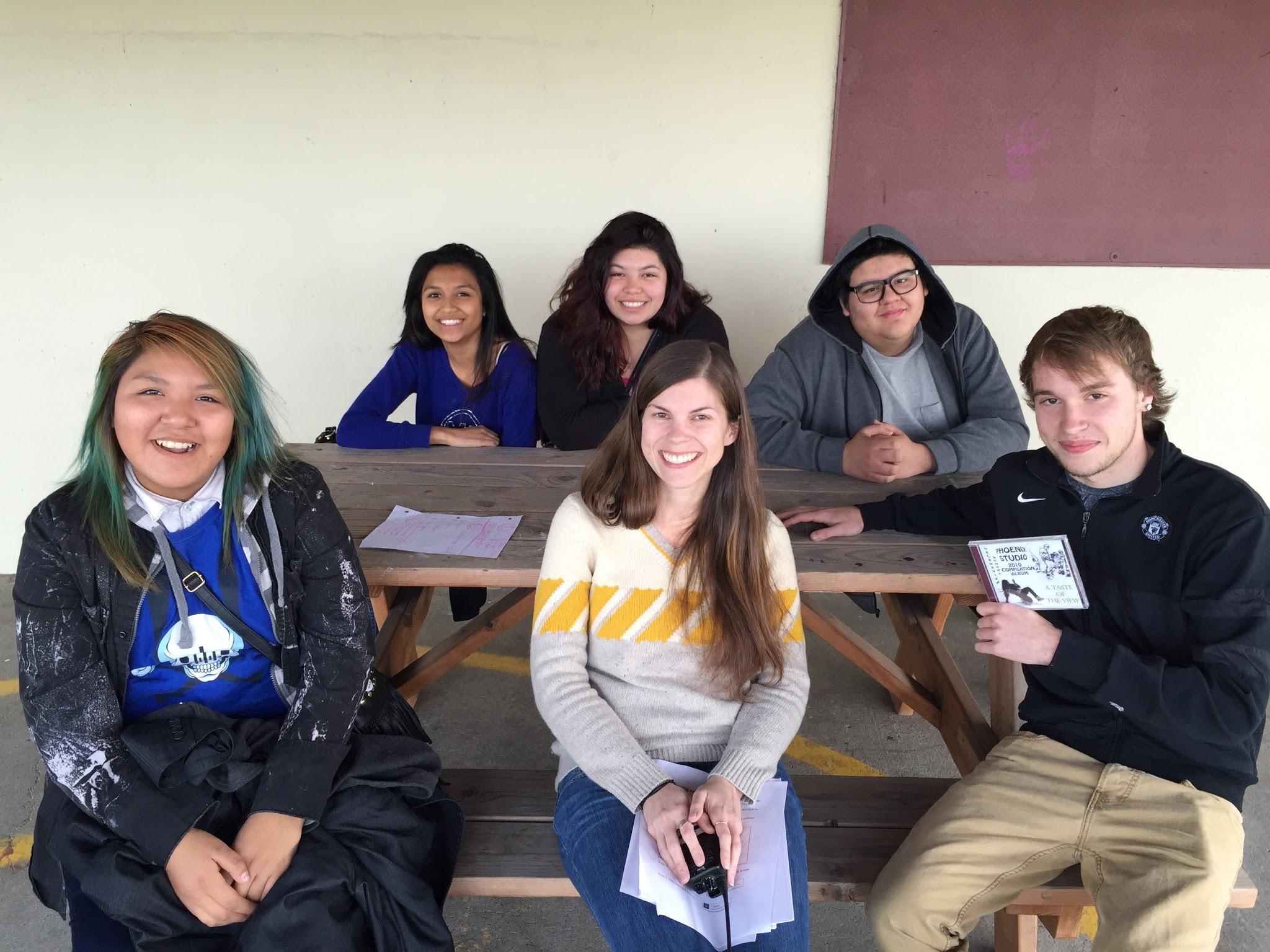
After 5 weeks of workshops, the project team held a celebration party for all students, teachers, school and school representatives, and the workshop instructors. During this celebration, students showed off their projects and received feedback from the community.
Positive Response from Administration
The response was outstanding; Helensview High School administrators highlighted the value of partnerships for academic enrichment, explaining in writing:
“Schools are constantly challenged with the task of offering varied, meaningful hands-on projects, while public education is placing more focus on core academic standards and high stakes exams. Most programs lack the personnel, money, and equipment to experiment with cutting edge technologies. However, outside organizations can help tremendously with this challenge. In the case of our program, both the
McCarthy-Dressman Foundation and Janice/ChickTech have made incredible contributions that have provided at-risk youth with eye-opening, confidence-building activities that are both inspirational and academically enriching. The workshops facilitated in this program are the perfect example of how collaboration between schools and outside organizations can deliver fresh experiences that are meaningful, cutting edge, and connected to real industry people who operate beyond the walls of the public school system.By producing 3D printed objects and phone apps, our students learned that acquiring new skills isn’t just for passing tests and earning diplomas. They learned to take an idea, develop a plan, and create something real with several weeks of dense, action-packed courses in 3D printing and application development. We are grateful for the foundation’s support, and thrilled with Janice’s/ChickTech’s implementation of the programming. For everyone involved, this is time and money well spent on a once-in-a-lifetime opportunity for youth who will remember
this experience forever.”
Strong Evidence of Student Growth
According to results of pre and post surveys, students were definitely enriched by this program.
Of the group (93% non-white students – mainly African-American and Latino/a with a 63% parent education level of high school educated or below), some exciting increases were noted:
- “I plan to go to college”: 21% increase
- “I can work through problems”: 22% increase
- “I have resources I can go to when I have tech questions”: 22% increase
In addition, students self-reported an increase in technology skills. On a 1-4 reflective scale there was an increase from 1.9 to 2.9, a 52% increase. In addition, responses to the question “Would you be more interested in school if more classes were like this?” also on a 1-5 scale, averaged 4.2. The project team found this especially exciting, writing:
“Although this is a great experience for the students who attended, what if all of their classes were hands-on and interactive? What if they got to solve interesting problems, learn how to work as a team on things that affected them, and learned useful skills in every class? Can you imagine what the above numbers would look like for these students? I can, and it gives me hope for our society’s dismal track record of serving its highest-risk students.
All but one student said they would recommend that their friends take this class next year. We expect to see a strong increase in students who want to attend next year, and our instructors are so excited to improve and continue increasing their impact.”
Lessons Learned and Ideas for Improvement
ChickTech described the challenges for project implementation included finding experienced instructors, curriculum developers and drag and drop software for app development. They also noted that the educators involved were already meeting many demands in the classroom which affected the overall timeline – in fact, the student post-surveys were obtained after the project concluded which may have decreased the amount of enthusiasm shown in comments on the surveys.
In the future, the team plans to work with the same instructors so that less time can be spent on planning and their existing rapport with the students can be leveraged for more enthusiasm and interest.
Even though some of the students are moving on before next school year, some of them plan to come back as teaching assistants or to work on more advanced projects with the support of the instructors.
Funding for the project provided by the McCarthey Dressman Education Foundation supported this effort in several areas including instructor fees, teaching assistants, curriculum development, materials and evaluation costs. Sixteen students participated (50% male/50% female) which was perfect for the availability of resources within the school and the number of instructors.
Learning More about Making Projects in Education
If you would like to learn more about integrating maker culture in the classroom to build student confidence, increase gender diversity in technology, and develop complex problem solving skills, we recommend the resources below.
- MakerEd Resource Library (Maker Education Initiative, 2016)
- Jaw Dropping Classroom 3D printer Creations (Edutopia, 2015)
- MIT App Inventor (MIT, 2015)
- Mobile Makers Academy brings Mobile App Development to Schools (Tech Republic, 2014)
- App Creation Inspires Student Entrepreneurs (EdWeek, 2012)
- A Guide to Teaching Mobile App Development (Scholastic)
Share this:

Teaching for Social Justice transforms curriculum, educator mindset and improves student learning
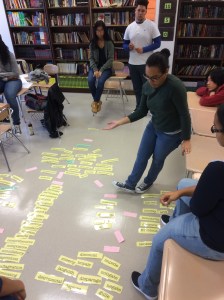
Both educators and students want to be excited and engaged by the curriculum, but they also need it to support learning effectiveness. By examining how they could meet the needs of their students, these educators improved engagement and equity. We are excited to share a report from the team of Teaching for Social Justice.
Why teach for social justice?
Teaching for social justice has been heralded as a way to meet the Common Core State Standards, increase student learning, and work toward equity and justice in a democratic society. Scholars who argue for social justice pedagogy encourage approaches such as:
- encouraging the students to pursue their own curiosities and questions
- afford students the opportunities to question knowledge, explore their identities, and become producers of knowledge, and
- using critical literacy to enact transformative, liberatory education.
How can teacher development efforts support social justice pedagogy?
Although there are many ways to be innovative with social justice pedagogy, such as this example of culturally responsive teaching through current events, one way to approach it is through teacher development.
In a creative effort featuring the educators and students at
Harvest Collegiate High School in New York, NY and funded by McCarthey Dressman Education Foundation, Scott Stamm is leading a project called Teaching for Social Justice with the following goals:
- Design and revise courses to better support teaching for social justice.
- Conduct cycles of teacher inquiry and action research to further teaching and learning.
- Develop and grow a Professional Learning Community in our school that shares curricular materials, participates in peer-observation, and supports each other in formal and informal ways toward the goal of teaching for social justice.
- Disseminate our curriculum and research to teachers, teacher-educators, and the public.
How do you design a teacher development program for social justice pedagogy?
With the ambitious goals described above, the project emphasizes time for teachers to investigate and improve their curriculum. Through creative and collaborative inquiry, this team explored many ways to improve their teaching both in and around the school day. In order to achieve these goals, these exciting strategies were described in the project report.
Goal 1: Design and revise courses to better support the Teaching of Social Justice
- Fall Curriculum Retreat – In August 2014 several English and special education teachers came together to plan new courses and revise existing ones by utilizing our framework for teaching for social justice (critical literacy, constructivist inquiry, and disciplinary literacy). Two courses came out of this retreat.
- A New English Course—“Identity Quest” – One of the courses that the team created was a grades 9/10 fully-inclusive/untracked English course called “Identity Quest.” Through this course, students read critical identity theorists like bell hooks, Audre Lorde, Gloria Anzaldua, and Prudence Carter, and used these theories to frame their readings of J. R. R. Tolkien’s The Hobbit and Homer’s The Odyssey. Students wrote close readings, lengthy literary analyses, autobiographies, and visual/multi-modal texts. Through these texts students explored both the canonical literature and their own identities/subjectivities.
- Revision of English Course—“Constructing Monsters” – The team also revised a course that had not previously been tuned to our aims of teaching for social justice. In the revised version of this course, students participated in daily dialogically organized discussions (constructivist inquiry) about Beowulf, Frankenstein, and The Strange Case of Dr. Jekyll and Mr. Hyde (disciplinary literacy) in order to conduct critical readings about gender, sexuality, race, and society (critical literacy). The previous versions of this course had the disciplinary content, but lacked the inquiry and critical pedagogy components.
- Winter Curriculum Retreat – Near the end of the fall semester, the whole teacher research team met to evaluate fall courses and to begin developing new courses for the Spring semester. They staged a day-long retreat on a Saturday in order to have enough time to do the deep reflective work needed.
- Development of English New Course—“Lit Crit & Grit” – This 11th grade untracked course was designed to begin with having students read The Great Gatsby and then read literary criticism of the novel from scholarly peer-reviewed journals. Students read the articles chronologically starting in the 1940s and moving to the present-day. In this way, students can be enabled to get a glimpse into the shifting ideological terrain as criticism moves from schools of literary thought including New Criticism, psychoanalysis, feminism, Marxism, structuralism, deconstruction, critical race theory, cultural studies, and queer theory. Each week of the course four students are prompted write their own literary criticism that situates their argument into the arguments of the other critical scholars. Students present their papers to the entire class and all members of the class community give feedback for revision. In this way, students become not only consumers, but also producers of literary criticism for more authentic audiences.
- Development of English New Course—“Pop!” – This is a 9/10th grade inclusive/untracked class where students will read literary and sociological scholarship (such as the work of Roland Barthes, Peggy McIntosh, Judith Butler, Deborah Tannen, bell hooks, and Eve Segwick) to critically analyze pop cultural artifacts. Each week students will bring in artifacts (print-text, movies, commercials, songs, tv shows, digital media) that are important to them and then the entire class will use the scholarship that they are reading in order to have a seminar about the pop-cultural artifacts. This course is designed for students to develop critical inquiry skills and engage with both texts important to their everyday lives and complex academic texts important to the discipline.
Goal 2: Conduct cycles of teacher inquiry and action research to further teaching and learning.
- Teacher Research Team – A Teacher Research Team was created to conduct cycles of inquiry on their teaching. They developed questions, created research designs, discussed relevant scholarship/literature, collected data (student work, student interviews, video recordings of class discussions), and analyzed the data together using methods from qualitative research (including methods from Critical Discourse Analysis, ethnography, and grounded theory). They also wrote about, reflected on, and shared our findings with each other.
- English Department as Teacher Inquiry Team – The English department became a group focused on a collaborative inquiry around the practice of “close reading” (careful interpretation and deep analysis of text). They read articles about pedagogy around close reading, conducted their own close readings together, analyzed student work, made a plan for implementing shared practices, implemented these practices, analyzed post-intervention data, and created a plan for future directions.
- Classroom Ethnography Project – Two teachers in the teacher research team served as ethnographic participant observers in each other’s classes. Each teacher observed two class periods a day of the other teacher’s course. In the fall Scott observed “Monsters” and Beth observed “Identity Quest.” In the spring semester Scott observed “Pop!” while Beth observed “Lit Crit & Grit.” Teacher researchers took ethnographic fieldnotes, collected audio-recordings of class discussions, collected and artifacts of student writing. Each day the teachers debriefed both classes. In this debriefing meeting the teacher researchers discussed not only pedagogy and curriculum but also research questions, relevant scholarship/theory, research methods, emergent analyses, and conceptual memos. This continuous dialectical tacking between the typical domains of the teacher (curriculum/pedagogy) and of the researcher (methodology/scholarship/analyses) strengthened both the teaching and the research, and ultimately enhanced both teacher and student learning.
- Teacher Field Trip—NCTE Conference – The English department attended the National Council of Teachers of English Annual Conference in Washington, DC in the fall. There they were able to network with teachers and researchers. They attended many useful sessions including ones presented by Nancy Fry, Deborah Appleman, Michael Smith, Samantha Caughlin, and more.
Goal 3: Develop and Grow a Professional Learning Community in our school
- Student Solutions Teams – This year the team implemented cross-disciplinary teacher teams on issues of social justice. Every Monday teachers met in these teams for 70 minutes. Teachers were able to choose which team they wanted to join. The team leader, Scott Stamm, conducted qualitative interviews with teachers and collecting other data about the effectiveness of these groups so that they can make them even stronger next year. Briefly, here is a description of each of the three groups:
- Student Work Group – This group looked closely and carefully at all types of student work and used the Prospect Center’s Descriptive Review process to reflect on the teacher practices and student learning. This process allowed teachers to work toward not only more socially just practices for instruction on “Monday Morning” but also to develop more strengths-based and critically-conscious ideologies about teaching/learning.
- Equity Interventions Group – This group focused on creating, implementing, monitoring and revising academic and behavioral action plans for their highest-needs students. The group approached these tasks from a strengths-based perspective to be strategic about how they made sure all students are learning. The group also created interventions for their school as an institution in order to combat institutional racism and other forms of institutional oppression.
- Curriculum & Instruction Group – This group uses Critical Friend Group protocols from the National School Reform Faculty to improve teachers’ curriculum and instruction in their classes. This group uses protocols to tune curriculum and tackle dilemmas of practice.
- Whole-Faculty Peer-Observations – As part of the project, for the first time all teachers conducted a series of peer-observations. Team memers trained teachers in the practices of clinical supervision, peer-mentoring, and cognitive coaching. During the training, teachers role-played and practiced the pre-observation conference and the post-observation conference. They then did a mock-observation by viewing a video and practicing how to observe and record in ways that would be constructive to others. After the training, teachers did several observations of colleagues and each month they came back together as a whole staff to check-in on how the process was working and to continue to support people in doing the peer-observations.
Goal 4: Disseminate Curriculum and Research
- Conference Presentation – During the fall, team members Beth and Scott wrote a paper proposal, which was accepted to the Ethnography Forum at the University of Pennsylvania Graduate School of Education. They traveled to Philadelphia where we presented our paper entitled “Epistemological Tensions in the Teaching for Social Justice.” They were able to network with many teachers and researchers at the Ethnography Forum and had many great conversations about research and pedagogy. With feedback from their audience, they are now working on a new version of this paper for publication in a peer-reviewed academic journal.
- Proposals Under Review – The team members have written drafts of two papers based their research this year. They wrote one based on the research of the “Classroom Ethnography Project” about student constructions of identity in classes geared toward social justice. They also drafted a paper about the research on students’ learning with literary criticism. Formal proposals to present these research findings were also prepared and submitted to the Literacy Research Association’s annual conference.
- June Writing Retreat – The Teacher Research team is also planning to hold a multi-day writing retreat during the summer to reflect on the year and write up further findings for dissemination.
What is the impact of teacher development for social justice pedagogy?
The efforts of this program have affected the learning of students and the teachers and created positive change in many ways.
Educators Improve Practice and Build Shared Theoretical Models Through Teacher Inquiry and Action Research
This program made it possible for teachers to work on improving practice and building shared theoretical models for how to do the work of teaching for social justice. Teachers in the teacher-research group have said that the group, “totally made me re-think the way that I teach.”
In further reflection on how the group had changed our practice, one teacher explained,
“For example, my inquiry question was around students who were less talkative in dialogically organized class discussions. I was wondering what I could do to make all students be more a part of the conversation. Using our social justice framework, I tried different strategies each week. One week I tried re-framing my questions so that they included asking readers to draw from the text and their own experiences and responses. That got one of the more reluctant students. Another week I tried doing informal on-demand writing before our seminar discussions. That got another reluctant student to participate more. Another week I taught students how to ask questions that they were authentically interested in figuring out. That strategy got one more student. One time I posed provocative questions about power ‘like is the text racist?’ That really woke up one of my students. By the end I realized that many of the strategies worked for certain kids, but there wasn’t a panacea. Now my toolbox is bigger and I can deploy the strategies based on my ethnographic observations of which strategy I think the student will best respond to. It’s not the way I’m used to teaching, but now more of my students are learning in seminar and I’m getting better.”
Teachers also learned much about methods of teacher inquiry and action research, which allowed them to become more reflective and thoughtful teachers.
For example, one teacher explained,
“It was just so refreshing to get time to reflect and think together, and now I have so many more ways to look at my teaching. I used to think research was about experimental designs only and control groups and that seemed weird for a classroom. But our work with ethnography and with descriptive review and with the theory readings that we did was really helpful. Now I know I like naturalistic ethnographic inquiry and I can see how thick description is so useful. But also I know that a formative or design research study works well for another one of my colleagues who was interested in engineering a solution to a particular problem of practice and I know how to do that now. And now I also know more about how critical discourse analysis can be useful and how that can really change how you are approaching something.”
In addition to the research group, teachers in the whole school talked about the usefulness of our new peer-observation system and of the learning that they had done through our “Student Solutions Teams.”
One teacher said,
“I’m just so glad we had a way to make interventions not just for the ‘tough cases’ among students but also for our school. When we saw that boys of color were being over represented in the discipline structure we could then name it as institutional racism and take steps to start to deal with that. We’re not done yet, but we are taking steps toward being better as a school.”
Writing Samples Evidence Student Benefits, Learning Grows
Many students were able to engage in interesting and deeper work through the classes that were designed for this project. In all of the revised and new courses, the goal was to blend the ideas of critical literacy, disciplinary literacy, and constructivist/inquiry-driven thinking.
One example of evidence of student learning that captures the goals for the project relates to the “benchmark” essay students complete at the beginning and end of the course. The benchmark asks students to write a literary analysis close reading essay of a passage that they have never seen before.
Ninth and tenth grade students have a text that falls within the 9-10 grade level of text complexity according to the framework in the Common Core State Standards for text complexity, and eleventh and twelfth graders have a text that fits into the 11-12 grade band of text complexity.
The department scores all the benchmark essays and makes sure to develop strong inter-rater reliability across the department. They score the benchmarks on a shared departmental rubric that they have created and that is aligned to the Common Core State Standards. The school-wide goal is for students to grow at least 0.5 points in each indicator on the rubric in a semester-long course because that amount of growth would keep students on track to be at the mastery stages of the rubric by graduation.
Below is the data showing growth on the benchmark from just one section of the “Identity Quest” course. This course was a fully inclusive mixed 9/10 grade class. About 30% of students had Individualized Educational Plans and 15% of students were identified as English Language Learners. The graph shows the growth in rubric points in each scored area of the rubric between the first and last benchmark:
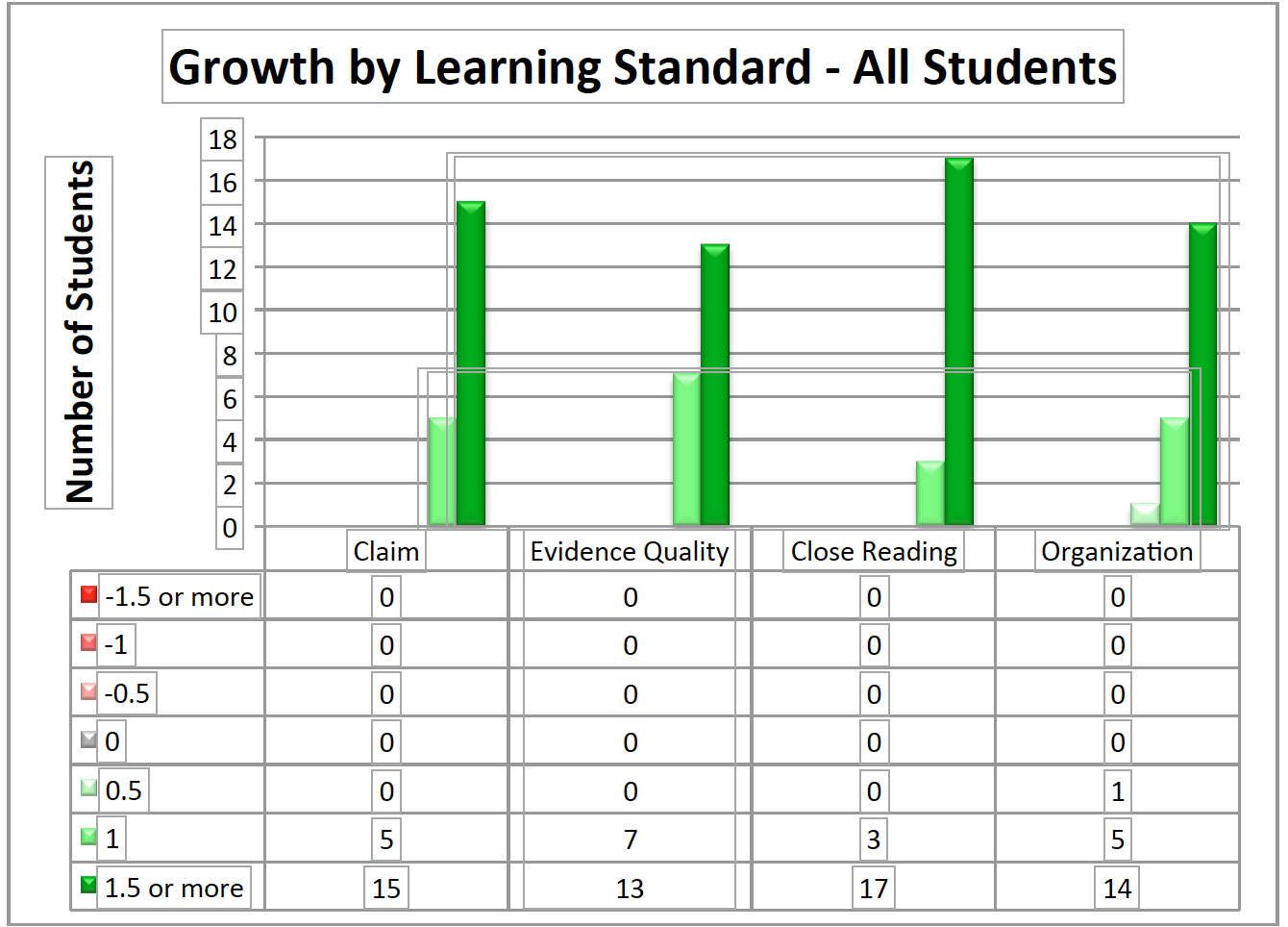
As is evident, most students grew by 1, 1.5, or more points on the rubric in each indicator. This is more growth than seen previously and all students met the goal of growing 0.5 in each indicator within a semester-long class.
While the team members do not have the data sets to claim a direct causal relationship between our Teaching for Social Justice project and this student learning growth, they do believe that these elements are closely intertwined.
This project allowed educators to narrow in on particular skills while also creating opportunities for students to construct their own meanings and expand their academic identities. In the report they state “.. we believe that, while not at all conclusive, this data is fascinating.”
The team also shared examples of the types of complex writing that their students are doing. Both student authors are eleventh graders in the “Lit Crit & Grit” course. In this course, students read The Great Gatsby, and literary theory and criticism about the novel. Throughout the course, students took turns writing “seminar papers” which are analytic literary arguments. All of their classmates read and gave feedback on the student’s seminar paper and the student defends their seminar paper to the class. The example papers show how students are combining the ideas of constructivist inquiry, critical literacy, and disciplinary literacy in interesting ways.
In the arena of disciplinary literacy, student writing samples are strong – using academic language such as words and phrases like “ideology,” “deconstruct,” and “binary opposition.” Samples also highlight student ability to describe literary devices and situate their arguments within the context of other scholarship in the field. With regard to critical literacy, these students conduct analyses of gender/sexuality and power, explicitly refer to a “feminist lens,” and tackle ideas of wealth, social class, identity, and agency in the novel. Finally, from an inquiry perspective, these student samples showed an authentic interest in going deeper into deconstruction as a topic, reading additional sources about deconstruction, hunting for evidence throughout the novel to refute and support their ideas, and developing their ideas through multiple drafts and process writing. Even with areas of improvement, student writing from this project exhibits many of the characteristics of the types of work the team want students to be doing.
What can other teacher development projects take away from this one?
The team reported that it was initially challenging to build buy-in and support amongst the teachers to do research on their own teaching. Teachers needed to see that it was immediately useful to their practice. Although some were initially skeptical, this faded as the project began to reveal how useful and even liberating it can be to conduct inquiries into the social justice aspects of teaching.
Once the project got up and running, it was sometimes also difficult to sustain the work week after week. On days when the lessons didn’t go as well, more of their time was spent together was spent troubleshooting lessons than
on the specific agenda items around next steps for the research process. However, the team came to realize that this collaborative troubleshooting actually was strengthening the research and that they could view challenges in the classroom as more data to think through. To improve the project, the team now has a “pedagogical check-in” as the first part of the meeting, which allows them to have a space that is always reserved for this type of talk.
Also, the team reported that they learned that it can be overwhelming to jump right into the process of creating research-questions and designs for systematic inquiries. After a few failed attempts early on to try and create a whole research design, they shifted focus to doing everything in smaller more systematic parts. They began with a few months of just doing descriptive review, ethnographic thick description, and participant observations. This work helped them become aware of what was going on in classrooms, and only then were they able to come fresh to the process of creating research questions. To improve the project, for the next school year, they are going to start with these observation and recording techniques before they go further into their inquiries.
Where can I learn more about implementing a social justice curriculum?
- Education for Liberation Network (http://www.edliberation.org/)
- Rethinking Schools (http://www.rethinkingschools.org/)
- Six Elements of Social Justice Curriculum, International Journal of Multicultural Education (2012)
(http://www.ijme-journal.org/index.php/ijme/article/view/484)
Share this:

ESD: Expandng Sustainable Education Through International Understanding
“I learned that even though other cultures live totally different lives, many things are still the same and we do them alike.” – Student Participant
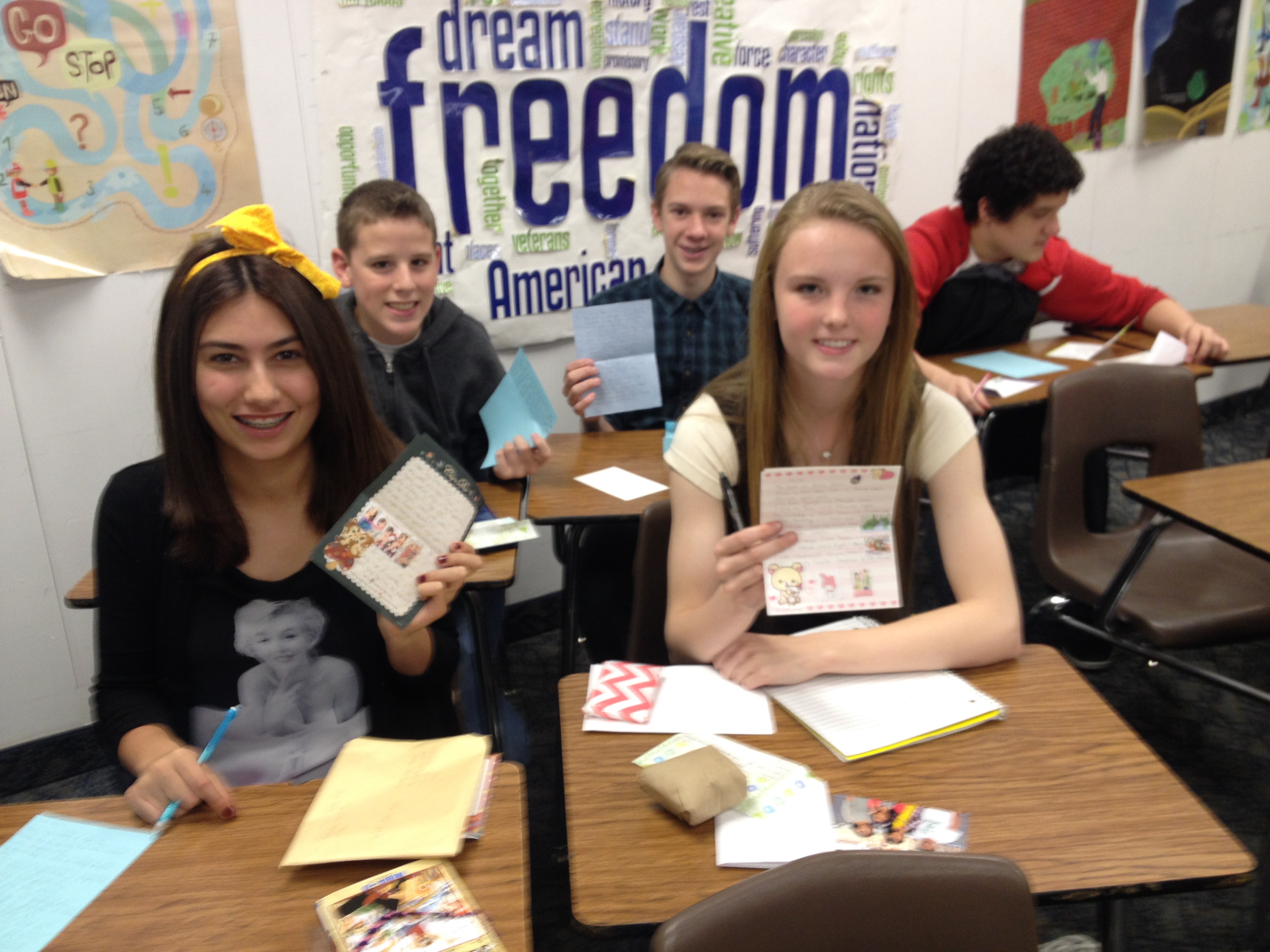
How do students learn about other cultures from studying sustainability? In a project like ESD: Sustainable Education Through International Understanding based in Orem, Utah, these things go together quite naturally. In our first update from this project we learned about how an international collaboration with Japanese students focusing on global issues and sustainability. They also worked within their local community through service projects to highlight local issues. Since we last heard from this team, they have busy growing their sustainability focused academic enrichment project to involve more learners, more educators and more conversations.
Exploring Human Equity Through Sustainable Development Education

During this second year of funding for the project, the goals expanded. The team wanted to stimulate and facilitate responsible sustainability awareness and interaction at the individual, community and global scales, so they planned to:
- Develop teacher collaboration;
- Build a Sustainability Retreat;
- Expand the Sustainability Fair;
- Conduct cross-curricular collaboration/training
and - Expose students to international discussions.
International Teacher Collaboration Fosters Partnerships and Training Opportunities
Educators from The World Studies team at Lakeridge Junior High School collaborated with teachers from Utah and Scandinavia on sustainable development education to establish partnerships and teacher training. This included hands on sustainability training in Hammarby Sjostad, Stockholm Sweden and at the European Union Offices for Environmental Education. In addition they visited schools and met with teachers where we were able to set up exchange projects between their students. This collaboration directly impacted student learning by giving students hands on and direct contact with students in Finland about sustainability.
Through the grant team members were also able to arrange an international exchange with students in Finland and pay for pen-pal letters to be sent to Finland, Japan and Pakistan. Students were also able to Skype with students in Japan and South Korea to discuss global issues and learn some of the language. They were also able to continue to work with Japan Society‘s Going Global project (from the first year of this project) to talk about current events with kids in Pakistan, Japan and Finland. These collaborations also inspired an end of the year international food tasting so that students could experience new foods.
Project Team members were able to present and train teachers at several conferences during the course of the year including Utah Council for Social Studies/Utah Geography Alliance Conference, Utah Environmental Education Conference, Utah Coalition for Educational Technology Conference, and Merinda Davis was a panel speaker for Finnish Educator/Author Pasi Sahlsberg when he spoke at BYU. Utah Education Network has also asked the team to submit lesson plans for these projects to share with teachers throughout the state.
Sustainability Retreat Prepares Students for Global Conversations
Using from the McCarthey Dressman Education Foundation Lakeridge educators were able to sustain the 3‐day, 2–night Sustainability Retreat. At the retreat this year they offered special schedule of University Professors and community specialists who came to speak to the students in a TEDTalk format.
Students who participated in the previous year of the project helped to serve as councilors and helped prepare the current students to be chairmen for the school wide Model United Nations Conference. During this time they were given the opportunity to learn about sustainable development topics and how they influence the local and global communities.
To share their learning, students who attended completed reflection videos from their experience. Through access to technology students completed sustainability based research, communicated with international partners on global issues and produced dynamic media in partnership with Adobe who donated software for all of the computers labs in the school.
Student Documentaries Evolve for Sustainability Fair
Using the model they created the previous year, the team made some changes to the ‘Sustainability Fair’ so that they could include more students. As the 9th grade students worked on their sustainability documentaries they created posters, trailers and PSA’s to advertise their documentaries. Each poster had a QR Code linked to their trailer or PSA and were posted throughout the school for Parent-Teacher Conference and for the rest of the year.
Another way they evolved the project was that they set up a school Student Film Festival, where each day student media was exhibited and students voted on the best documentary. The winners of the best documentary for each day received prizes being donated by local businesses as well as purchased through the McCarthey Dressman Education Foundation grant. In addition, students created projects for the Fairchild Challenge, a sustainability based competition for Utah. Through these partnerships, the team was able work together to expand student participation in sustainability fair.
Model United Nations and Model European Union Conferences expand Student Perspective on Migration

In addition to the Model United Nations (MUN) Sustainability Conference that they offered on the topics of Water, Urban Planning, Energy and Agriculture in December 2014, in May 2015 they scheduled a Model European Union (MEU) Conference to discuss the topic of Migration. About 400 students participated in both conferences.
For MUN they assumed roles of diplomats from over forty different countries in ten different committees. Students studied their respective countries and their policies on the assigned topics, two topics per committee. They produced documents that outlined their countries’ policies and applied this knowledge, using parliamentary procedure, in debating, compromising and writing resolutions with fellow participants. For MEU they assumed roles of country leaders in the European Council. Much like MUN, they studied their countries and the impact of migration on both their country and the European Union using the most recent information available. Because this is a timely issue and they have contacts in Europe, students were able to learn about the perspective of European students.
Achievements Extend Beyond Curriculum
Students, in conjunction with watching the movie “Gandhi,” completed ‘Roman Kent Peace Projects’ for which the purpose was to help them understand how their actions make a difference. Students came up with a wide variety of ideas – as unique as the students themselves. All of the projects throughout the year had a cumulative effect in increasing awareness and student discussion.
One student decided to write kind notes on index cards and hide them in books in the library for people to find. Another sent 25 text messages to friends and family telling them how important they are, and said after, “I learned that everyone needs a little love no matter who they are, and the community as a whole should express more kindness and peace towards their peers.”
Another student taught a lesson on tolerance and avoiding discrimination to elementary school kids, because “I wanted to leave an impact on people younger than me. My generation and the generations following mine are responsible for the future moral values of society, so I thought it would be important to reinforce ideas about tolerance and peace to kids at a young age.”
Reflecting on their international and sustainability experiences students said:
“I learned that it is important to experience other cultures and talk with other people about their lives. I also learned that it is somewhat difficult but important to communicate with people from other countries.”
“I learned that even though other cultures live totally different lives, many things are still the same and we do them alike.”
“I learned that we have a great future map of Utah’s water which makes me happy. I did learn that we don’t have enough water if we just keep wasting, if we take little steps right now and start to conserve like shut off water then you are good and our future doesn’t need to be worried about.”
“I learned that I’m better at stepping outside my comfort zone than I thought, with talking to new people and things.”
“I learned that I can be a good leader and help people know what they can do to be helpful.”
“I learned that I have great editing skills. And I can also lead a group that doesn’t really work to get things done with. I didn’t wait until the last minute but I did at the same time. Next time I just need to take it and do little by little.”
“We learned that what we do personally can make a difference. But we can make a difference as a community to be more sustainable.”
“I liked how we were able to find out about a problem pertaining to sustainability in our community, Utah, USA, or even bigger, the world. It helps people to realize how many problems there are that may go unnoticed to many people.”
The program has also affected the learning of educators. Davis stated,
“The McCarthey Dressman Education Foundation Academic Enrichment grant has allowed for learning opportunities that I never expected. This grant has not only been transformative for my students, but for my school community and me. My curriculum is being revitalized in a way to engage and enrich students’ lives. It has given students opportunities that they would not have had otherwise. In addition to presenting to teachers throughout the state, I was able to present these projects to the Utah House of Representatives Education Committee and to the Governor during the Governor’s Education Committee meeting. As a direct result of these projects I was selected as a 2015 National Geographic Grosvenor Teacher Fellow and a 2015 PBS LearningMedia Digital Innovator where I will be able to bring back more engaging projects for my students to enrich their learning. Additionally, in January 2015 I was one of twenty‐four international educators selected to attend the 70th Anniversary of the Liberation of Auschwitz in Poland. Because of that experience and collaboration with international educators I was able to expand the sustainability projects to include social equality.”
What could other educators learn from this project?
The end of year project report from the team offered a few reflections for project improvement. Although the documentary project worked better this year with the adjustments that they made, next year they will continue to improve by making adjustments based on student feedback. The biggest challenge they faced this year was timing because of the new projects they implemented took extra time.
Team members plan to adjust the curriculum pacing to help build a stronger foundation for students to build on using these projects. They were able to develop projects with schools in Finland and will continue that, in addition students will have more exchange time in the following year. Although students had more time this year to work on sustainability projects, next year they will submit projects to the Fairchild Challenge and Davis will work with the district to help other schools get involved in this sustainability fair.
Next year as part of the curriculum redevelopment they are going to include more of the human rights as part of sustainability. As the three ‘E’s’ of sustainability are: environment, economics, and equity, next year will be a culmination of what they have learned these last two years.
All in all, at the end of the second year, more than 100 students were able to participate in a sustainability retreat with experts and professors.
More than a thousand students were exposed to sustainable development concepts, International exchanges and international culture/food.
As Davis explains, the funding was leveraged to meet many needs and sustain further academic enrichment in this area, “This McCarthey Dressman Education Foundation Grant allowed us to support pen-pal exchanges, subs so we could get the resources, international teacher collaboration, and funding field trips to local restaurants with guest speakers. We now have a class set of computers, a multimedia lab so students have access to filmmaking equipment, filming studio, and training. These students have been able to exhibit their work and be recognized for their learning. We have been able to share these academic enrichment projects with teachers around Utah as well as internationally.”
Learn more
- Sustainable Education – putting relationship back into education
- Education for Sustainable Development, UNESCO
- The Journal for Sustainability Education
- Sustainable Schools Project
Share this:

Future 2,000 Common Core emphasizes eBooks, improves curriculum
 Teachers and students need textbooks to be useful and relevant. With the release of the Next Generation Science Standards (NGSS) in 2013, the Science Department at Chapman High School in Chapman, Kansas, wanted to find a way to incorporate the NGSS as well as the Common Core Standards into classroom curriculum. In the process, they discovered that the textbooks they were currently using no longer met the needs of their students and classroom. In this update from Future 2,000 Common Core, you’ll hear about how educators used eBooks to meet curriculum goals for Physical Science, Biology, and Chemistry and improve understanding of standards while improving the students’ access to resources and increasing their motivation.
How does eBook creation improve curriculum?
Chapman High School science educators led by Sara Cook explained that starting with a blank canvas enabled them to “include the essential curriculum that students need to know rather than having them sifting through unnecessary material.” They planned to integrate multimedia, virtual labs, student work samples, projects, activities, and more. eBooks would allow their curriculum to come alive in ways that would engage students more than normal textbooks do. They focused on featuring student work to increase the expectation for projects over time. “They will make studying and teaching more effective,” Cook stated, “most importantly, we have the ability to revise and edit the books to best meet the needs of their students.”
According to project report, the goal was to create a book that met “the individual learning needs of their students, and better incorporates the Common Core Standards as well as the Next Generation Science Standards.”
An additional goal was to produce a textbook that the students would be able to access at anytime that could be easily updated with a changing curriculum. By saving a .pdf copy of the iBook and uploading the iBook to a website, the students could have access to the book on any web-based device.
How did educators evolve their curriculum with eBooks?

Participating educators started the project with a professional development day to learn how to use iBooks Author, a free software created by Apple for eBook creation on the Mac or iPad. Throughout the year they scheduled 4 other professional development days to work on eBook creation. During the school year, they collected student work to be featured in the book for the next group of students. Sara Cook published the eBooks online for all students to access and to share the project progress, you can view them at:
[https://sites.google.com/a/chapmanirish.net/scook/mccarthey-grant]
Below are some screenshots from a few of the eBook offerings created by Future 2,000 Common Core.
What did they discover?
All of the iBooks, except one, were used with students over the course of the year. The students are enjoyed viewing and using the books on the iPad and Computers. Students liked having access to the book at home especially when they were absent from class. Also, students loved competing to become “published.” They seemed to be excited about their work being used as an example for future classes.
As far as teaching, the creation of the eBooks allowed the department time to become more familiar with both the NGSS and Common Core standards. They were able to find better videos, animations, labs, websites and other resources to meet the needs of the new standards. Cook stated, “We personally feel like we have a better understanding of strengths and weaknesses of our curriculum than we did last year at this time. Since our iBooks are Standards Based, this has also allowed us to start discussing the possibility of integrating Standards Based Grading into our Curriculum. This would allow us to better see what our students know and don’t know in relation to the NGSS. Most importantly, this grant has provided us with time to collaborate and develop content that can be used in our classroom, which directly benefits our students.”
What advice would they give to others?
The biggest challenge for this team was the time that it takes to complete the eBook. It was their hope that they would complete more curriculum during the first year of the project. After the first work session, they quickly realized this process would take many more hours than initially expected. eBook creation is a time-consuming process to obtain content and find media appropriate to make the books as interactive as possible. However, they do feel that the time they are spending is well justified if it helps them meet the needs of their students.
One area of improvement for next year will be to come to the work sessions with all content, pictures and other resources already saved into files on the computer and ready to place into the book. This would allow more time to be spent on implementation & editing instead of gathering content. They plan to continue with work sessions during the summer and through next school year.
From a budget perspective, the project team learned that there were subscriptions for interactive simulations and labs that they wanted to incorporate into the eBooks. They decided to consider that as an important item in the next year’s grant budget, as the funding was not available from their institution.
Resources
If you would like to useeBook creation as a way of improving your curriculum, we recommend the following resources.
- Build Your Own Textbook (Audrey Watters, Edutopia, 2011)
- How to Create Your Own Textbook With or Without Apple (KQED Mindshift, 2012)
- CK12 Standards Aligned Flexbooks (CK-12 Foundation, 2016)
- Students as eBook Authors (The Creative Educator, 2014)
- NeBooks Teacher Resource Center (Nebraska Department of Education)
- Reading and Teaching with eBooks (EdTechTeacher)
Share this:

Creating a Collaborative Co-Teaching Culture: Building Teacher Relationships to Improve Student Achievement
Developing a common language for teachers pays off
The goals of the Teacher Development Grant: Creating a Collaborative Co-Teaching Culture project lead by Seol Moon and Barbara Onofrio, Principal, at Stone Scholastic Academy were multiple:
- Build strong, cohesive, collaborative relationships amongst educational professionals within the school,
- Work collaboratively to raise student achievement, improve climate/culture and build teacher capacity by having teachers work collaboratively on tailoring content to match the needs of all students in the classroom, and
- Move toward a more inclusive environment for our special student populations.
Supporting the Teachers in Collaboration through Professional Development
Stone Academy started the first year of the project (August, 2014) by enlisting a consultant, Dr. Meg Carroll from the St. Xavier University. Dr. Carroll presented a 2 day workshop to all staff which included the following topics:
- Co-Teaching: A presentation of the Illinois Professional Teaching Standards, particularly Standard 8-Collaborative relationships: “the competent teacher builds and maintains collaborative relationships to foster cognitive, linguistic, physical, and social/emotional development. This teacher works as a team member with professional colleagues, students, parents or guardians, and community members.” Included were common Co-Teaching Models, Team Teaching key concerns and a Co-Teaching Checklist.
- Neurology of Learning: Brain-based Applications and types of learners: concrete, abstract and reflective.
- Executive Functioning and Organizational skills: focusing on planning, emotional control, attention, self-monitoring, organization and the working memory.
- Accommodations and Modifications: definition and examples of each. Included in this session were the characteristics of various disabilities and matching instructional strategies.
After having built a common language collaboration centered on two things:
(1) building strong collaborative internal relationships and
(2) digging deeper into what successful Co-teaching is and how/when to use various models.
We purchased several copies of Dr. Marilyn Friend’s publication, “Co-Teach! Building and Sustaining Effective Classroom Partnerships in Inclusive Schools.” We formed a book club, broke down chapters and held discussions related to the content. (Meetings were held on 10/20/14, 10/27/14, 11/19/14, and 4/6/15).

In addition to our book club, on January 16, 2015, 9 teachers were sent to the Dr. Marilyn Friend’s workshop: “Best Practices in Co-Teaching.” Both grant and local funding were utilized.
Teachers were sent as partners in an effort to strengthen their professional bond. They learned first-hand the components and intricacies of Co-Teaching, and had a bit of experience working with different models so that they could be more effective.
As Co-teaching is a new strategy to this school, it was important for teachers to feel supported, yet not threatened. It was felt that teachers should have the autonomy to work with the strategies and would benefit from a mentor or coach. They needed to be able to be observed and receive feedback on their progress and performance, without this being used toward their professional evaluation. Dr. Meg Carroll was commissioned to do this work. She visited the school on numerous occasions (10/20/14, 12/15/14, 1/29/15, 4/6/15, and 4/20/15) to observe teachers and teacher teams, discuss, document and provide critical feedback.
Throughout the year, the project team needed to enlist the assistance of substitute teachers and also provide extended day opportunities for teachers to work together, both of which were utilized. This time was used to have teachers observe colleagues within the cohort, provide feedback and have professional conversations. Teachers also began to work on lesson planning together. As time passed, and they were able to work together as one generalist and a specialist, and we agreed it would make sense to look at an entire year’s curriculum. A couple years ago, Stone teachers began work on curriculum mapping, but the task never fully developed. Now, with newly learned instructional strategies and stronger relationships, teachers decided to revisit that activity.
Fortunately, Dr. Carroll has experience in curriculum mapping, and provided guidance to teams of teachers as they worked together to develop grade level curriculum maps which concentrate on the areas of literacy and math. Once curriculum maps were complete for a grade level, the plan was to then meet as a team to look at vertical alignment so that the end product would be complete and cohesive for grades K-8. From there, they can begin to delve into examining and creating effective student assessments.
At the end of the 2013-2014 academic year, Stone was cited by the State of Illinois regarding student placement of students with disabilities. The school houses 629 students, with roughly 12% of our students receiving special education services. Once notified, our special education team met with administration and outlined a plan to correct these measures. We collaborated, and through teacher discussion, we identified a small group of students who could perhaps benefit from receiving instruction in a more inclusive environment.
Parents were consulted, IEP meetings were reconvened, and the internal structure was adjusted so that more Co-teaching environments were made available. Co-teaching helped us be successfully removed from the state’s Focused Monitoring after only one year, as opposed the customary two year process.
How teacher collaboration impacted learners
Students were asked directly to write about their experience in a Co-teaching classroom. Overwhelmingly, students indicated they preferred this type of teaching and offered the following reasons:
- I like having two teachers because we can learn from two different ways.
- I’d say having two teachers is good due to the fact that if there’s a long line for one, the other is able to help you.
- I like having two teachers because all of the stress is not on one teacher.
- I enjoy having more than one teacher around because if we had one teacher and 32 students, the teacher would be yelling A LOT!
- I like having two teachers because if you asked one and you didn’t understand it, you can ask the other.
Not all students like working in a co-teaching classroom. One student is quoted as saying, “I don’t really like having two teachers around because I can’t get away with secretly playing with Smartape 360 or reading.”
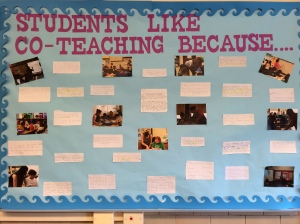
Teacher’s comments related to co-teaching express positive aspects as well. One teacher commented “the best results have been having the opportunity to give the students two ways to look at solving problems. Because my co-teacher has a background in Special Education, she naturally uses ways to explain the concepts in a more concrete way, for example, drawing pictures on the board. etc. “ They also said there is less stigma for children and professionals use a common language. Teachers stated they are able to do more small group work, and feel they are better supported. They also say they have developed a greater professional respect for colleagues because they learn from the others’ expertise and find out what each brings to the table. They illustrated their Co-Teaching experience by creating the attached display which they proudly placed in the staff lounge which was the only available space due to overcrowding.
Addressing challenges for future implementation
The most significant challenges we faced this first year was to find time for teachers to meet. Since we are now on a longer school day, our regular day starts at 8:00 a.m. and ends at 3:00 p.m. For a good portion of the school year, many teachers also work an extended day program for some part of the week, as approximately one half of our children attend the After School All Stars program from 3:00 until 4:15 p.m. Teachers were accommodated by giving them a choice of being provided a substitute teacher, or earning an extended day stipend.
Teachers are also concerned they will have to change partners every year due to different assignments or staff leaving. Fortunately the staff at Stone is relatively stable, and administration is making a commitment to keeping as many positive teaching partners intact as possible in the upcoming year.
Grading is another area of concern. Teachers must have time to discuss individual student progress and agree on a fair and equitable grading system.
Finally, there is one teacher who is still showing reluctance to “let go” and collaborate. Offers continue to be extended to her to participate in discussions and administration is working with her to lessen her concerns. It is my hope that giving this teacher time, and keeping her exposed to her co-teaching colleagues, she will see the added benefits to utilizing this model.
Share this:

Theatrical Journeys: Introducing STEM to Young Children
A fun, creative approach to growing scientific thinking for all students
As educators, we’ve found ourselves spending most of our time and resources finding ways to better convey the STEM subjects to students that live an increasingly technology dependent world. The problem with this way of thinking is that it, without really even trying, devalues the arts and humanities as non-essential. Although no one is going to cure cancer by reading Shakespeare and we aren’t going to solve world hunger by painting pictures, we lose something by leaving these essential subjects by the wayside. The humanities help us understand what it means to be human and art is almost always fun. It’s easy to engage students, especially young ones, when you can incorporate dramatic play into your own lessons. So why not teach STEM lessons through the lens of theatre?
Triggering the joy of discovery in STEM
This is exactly the kind of creative idea that Elizabeth Bruce at CentroNia in Washington, DC is doing with her Theatrical Journeys Project. Drawing on over 35 years of experience in the arts, Ms. Bruce has developed this project as a homegrown, community based initiative, with funding from the DC Arts Council and similar organizations contributing (including the McCarthey Dressman Education Foundation). According to her proposal “The Theatrical Journeys Project is innovative because it fuses child-centered, dramatic play with simple STEM phenomenon. The STEM phenomenon is explored thoughtfully through experiential lessons. STEM content is made concrete through simple simulations and multi-sensory explorations rooted in play and the joy of discovery.” Elizabeth Bruce has also ensured that visual aids are bilingual, reflecting the needs of the students in her school and making sure that all students are able to participate.
How a science lesson becomes a theatrical journey
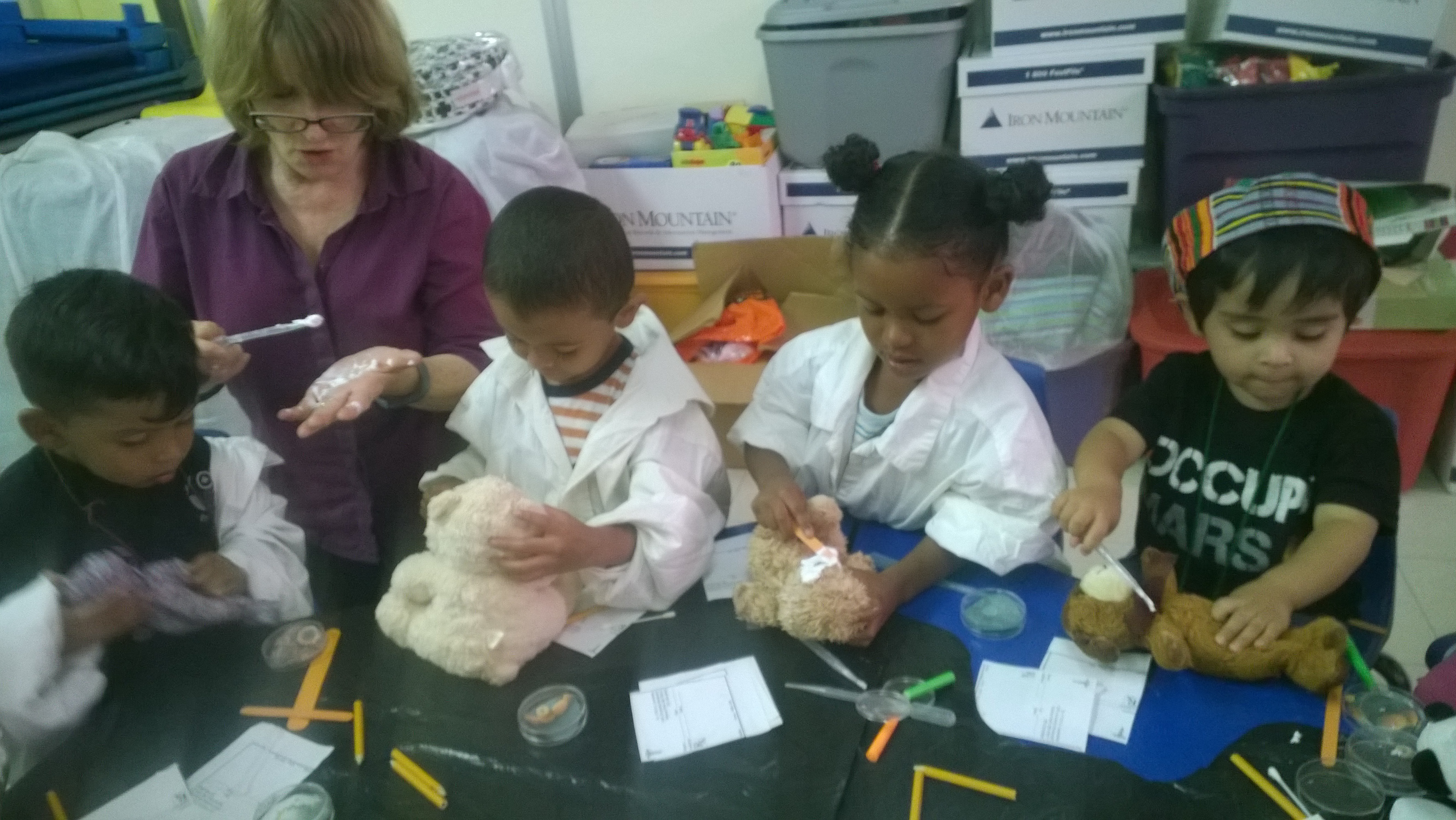
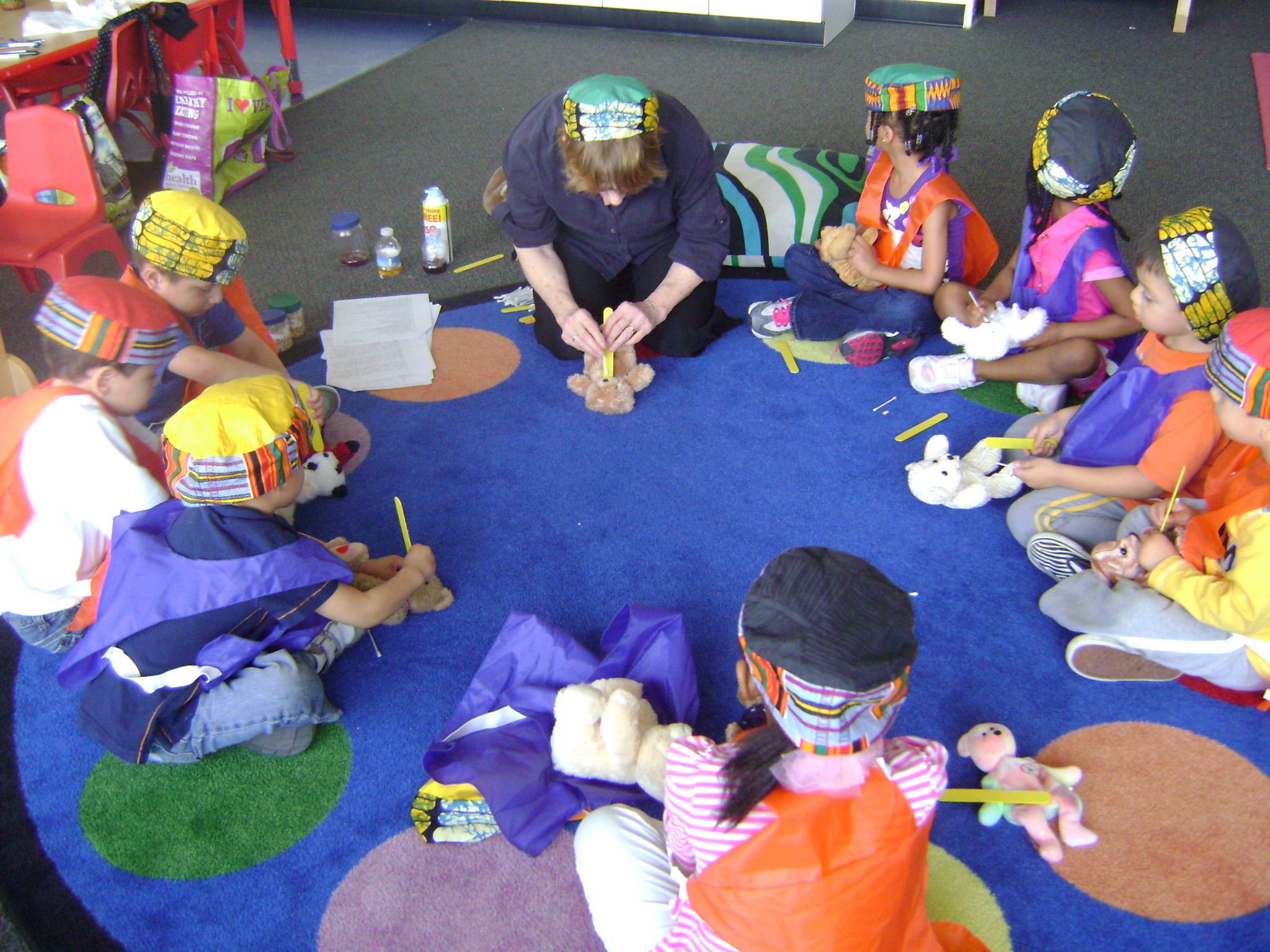
Bruce’s lessons are simple, real world situations that kids may find themselves in some day. For example, in the sick teddy bear journey, the children (”doctors”) will diagnose their teddy bear (”patient”), checking it’s pulse, or taking a mouth swab. They then will “culture” the bacteria in an incubation oven. The next step of the lesson is figuring out which bacteria has grown and how best to cure it using antibiotics. It may seem silly at first to imagine a group of young kids diagnosing a teddy bear. But when you look closer, you can see those gears in their minds starting to shift. Connections are being made between this lesson and the real world. By taking scientific inquiry and couching it in make believe, educators are making learning more digestible, turning a lesson into into a playful treat.
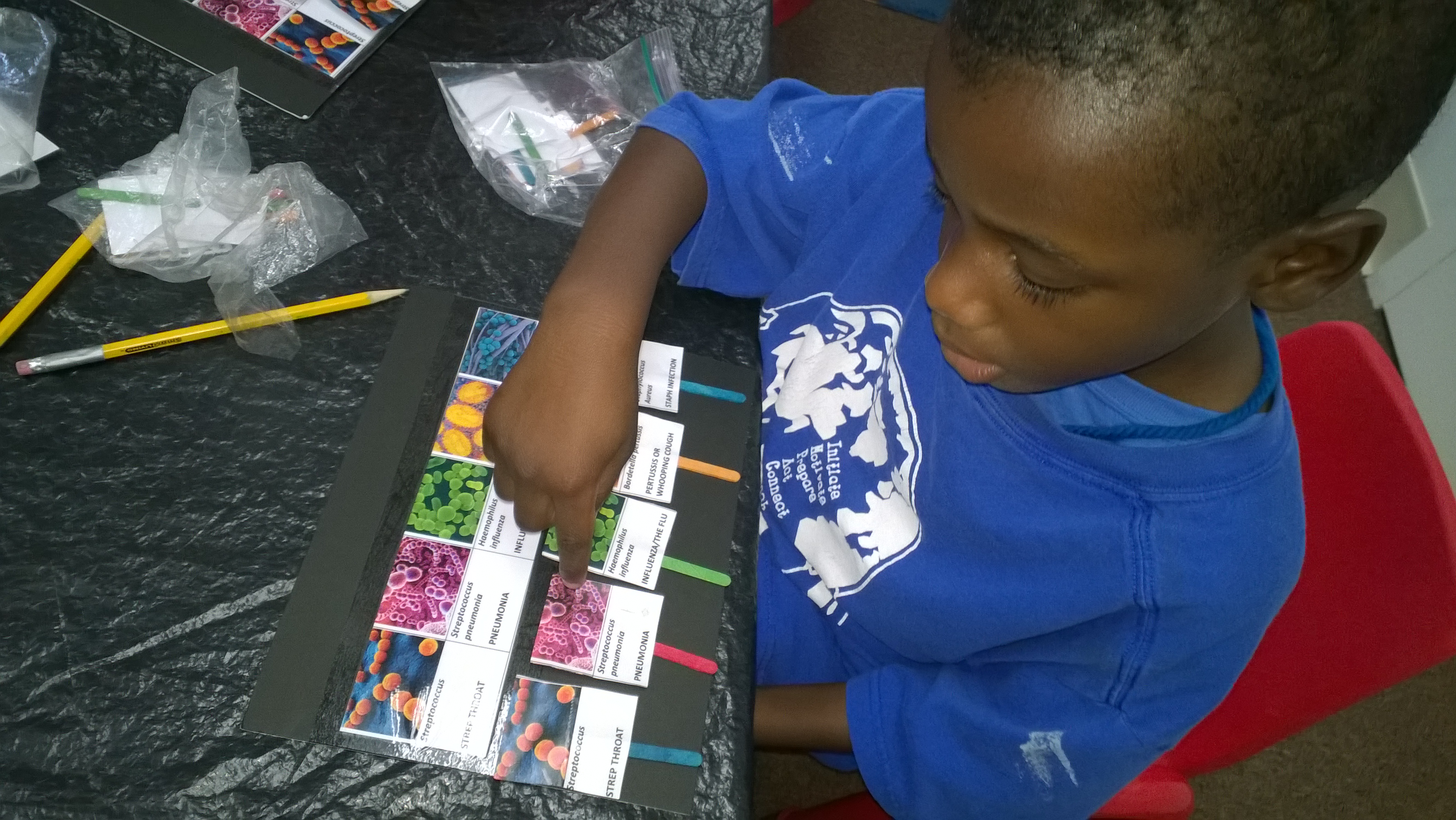
The work of Theatrical Journeys is to produce simple lesson plans. Twenty was the original goal, though that may be exceeded as of this update. Documentation and video of the project will also be uploaded to YouTube for other educators to consider. Like the art it imitates, Theatrical Journeys is constantly evolving project, driven by the needs of the students in every way.
Increasing respect between peers, opening minds to STEM careers and capturing disengaged learners

As mentioned before, the project has already produced a number of new and exciting journeys, so how are the students responding? According to the progress report “the tactile and kinesthetic child-centered nature of the journeys has become a model of how to effectively engage young children who often present behavioral or disengaged learning challenged in the PreK classroom. Happily, these children consistently engage fully with the hands-on, “there-are-no-wrong-answers” approach to the Theatrical Journey Project.” Not only that, there has been the unexpected, but wholly welcome side effect of increasing respect between students. By exposing students, especially minority ones, to moments where they are refered to by their peers as “Doctor” has fostered an aspirational attitude that wasn’t there previously in many of the students. And this is a good thing.
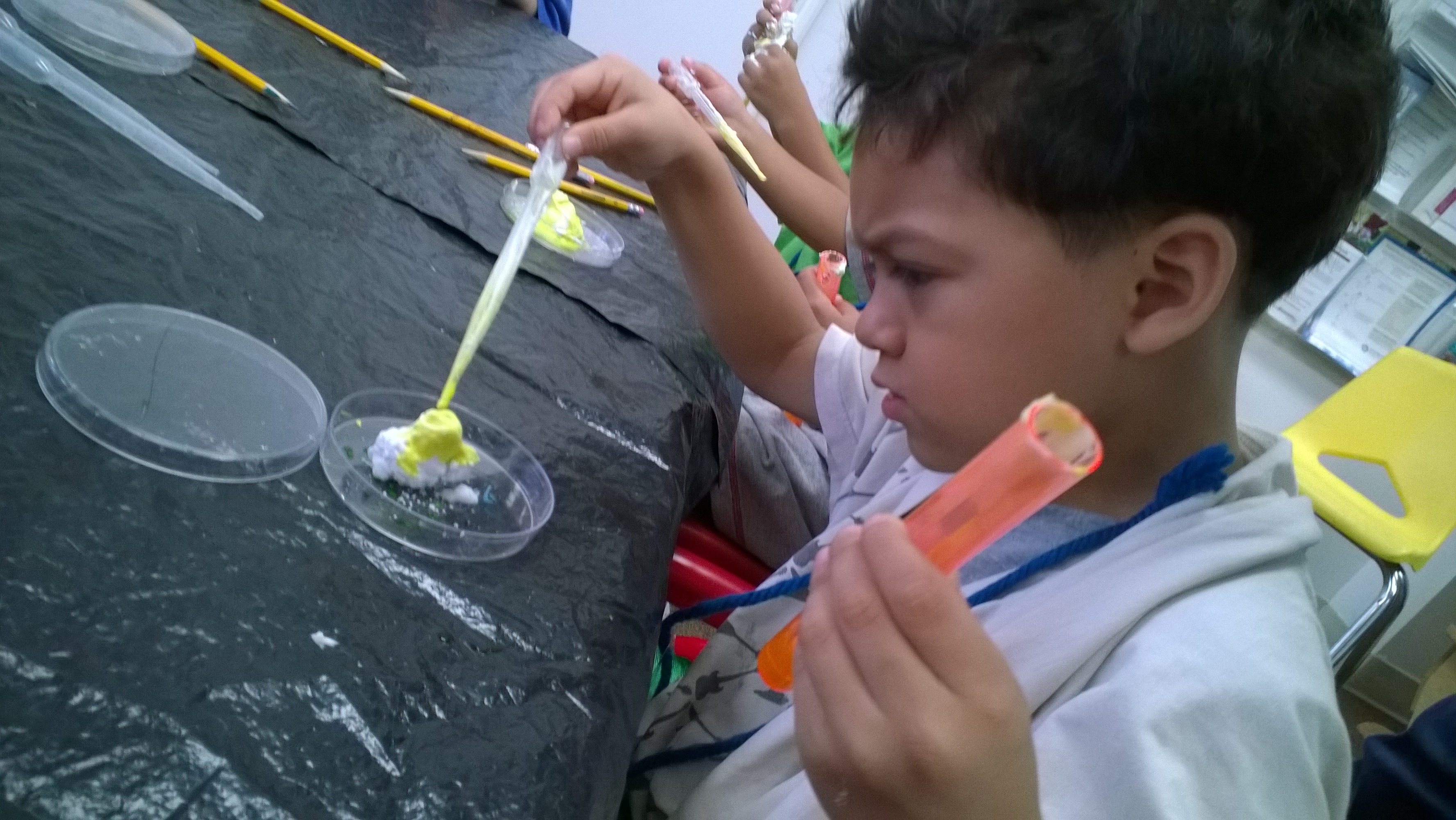
I said earlier that no one is going to cure cancer by reading Shakespeare, but if by playing doctor with this teddy bear in PreK even one student is inspired to grow up to become one… they might just.
Further reading
- Growing from STEM to STEAM, ArtsEdge (2014)
- STEM vs. STEAM: Do the Arts belong?, EducationWeek (2014)
- STEM to STEAM: Resource Roundup, Edutopia (2014)
Share this:

Microfinance In Action: Students Impact Global Economies

Microfinance in Action Revisited
It’s been an exciting, tumultuous, but ultimately productive three years for the educators and students at Southwind High School in Tennesee. Those involved with the Microfinance in Action (MFiA) project have seen a lot of success despite some setbacks along the way. But the outpouring of support from the community and other educators has helped keep the flow uninterrupted.
What is Microfinance in Action (MFiA)?

When MFiA was originally proposed, it was proposed as a three-year project that would take students through the process of learning about microfinancing, and how important it can be to stimulate the economy. Especially in resource and job depressed areas in this country and abroad. They were also tasked with learning about and distributing KIVA loans to small businesses. It also proposed that students travel to low-income areas, or areas affected by natural disasters to get a real look at what poverty looks like and hopefully become passionate about ending it. In our blog we explored what an integrated curriculum exploring globalization and economics looked like and heard about the real world skills and field experiences (Microfinance in Action, August 2013). Results were inspiring.
Exploring Local Economics through Field Experiences
One of their main goals was to leave the textbook behind and create an environment of practical learning, where students would interact with their community, and communities beyond theirs to get a greater perspective on what economics and Microfinance in particular means in their day-to-day lives. So they started a journey to some of the most economically devastated states in the nation. Beginning with their own.

Making a Global Impact
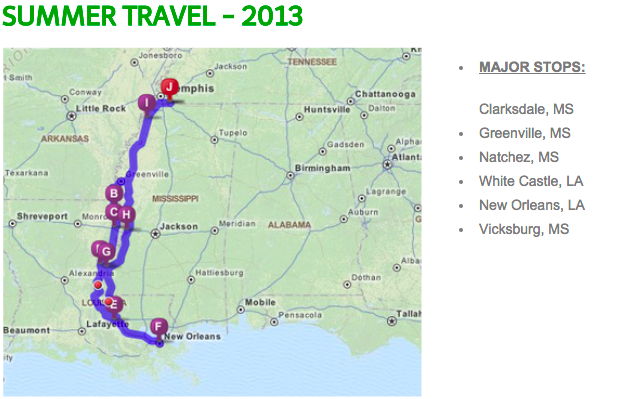
They began this journey along the banks of the Mississippi in Memphis and worked their way down through the Delta to New Orleans. From there they moved to the home of the Lakota Tribes and finally to the sugar cane fields of the Dominican Republic. No one could accuse them of being lazy travelers, that’s for sure. And while I could spoil you with the details of their trip, that would ultimately take away from what was the end game goal for this project; creating a book entitled Microfinance in Action: A Guidebook for Teenagers. They just recently returned from Guatemala where they finished filming the documentary portion of their proposal, which should be edited later this summer. That documentary, along with the book they plan on publishing, will be a great resource for educators who might want to try this model at their own schools.
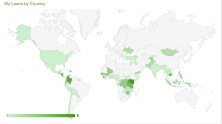
Other goals they had proposed were setting up a KIVA Club loan program where students could work with accredited loan companies to set up microfinance loans for those in need at home and abroad. This ended up being far more successful than they had anticipated but came with an unfortunate cost. Biba Kavass, the innovative educator behind this proposal, was diagnosed with a brain tumor. And while she continues to work on the project, she will soon have to take a step back and let others lead in her place. But the community rallied. Roughly to the tune of $150,000 and climbing. Because of this community support they’ve already made 148 loans out to people in over 50 countries. The next step is setting up a larger and more focused KIVA Club loan program, working with SME Uganda to make slightly larger loans available to people in need.
Follow MFiA Online
The project website, microfininaction.weebly.com, is also doing well, having received it’s 1000th unique visitor recently. This website is where Biba, and those who will continue in her stead, chronicle their work as well as get in contact with prospective partners.
Despite the unforeseeable setbacks they faced it would seem like MFiA has been a great success, in every avenue they proposed. The students, educators, and community all benefited from this project, which is something we value here at McCarthy Dressman. We hope to see many more innovative projects, like this one, funded in the future.
Further Reading
- KivaU
- OneHen
- Integrating Globalization into the Curriculum
- Three Ideas for a 21st Century Global Currlculum
- New York Times Learning Network: Globalization
Share this:

The Workshop Model: Focus on Communication Grows Math Expertise
In the age of the Internet, where we (kids especially) spend the much of our free time behind a screen, real interpersonal skills are at a premium. Being able to succinctly articulate your ideas is one of the greatest skills one can develop. It’s these skills that are an unintended benefit of The Workshop Model, a project funded by McCarthey Dressman Education Foundation designed primarily to help educators at Poudre High School more effectively communicate math concepts to their students. In turn, those students have practiced actively communicating with one another about how to best solve math problems. The result? Everyone learns an essential skill and everyone wins.
Maximizing learning for conceptual knowledge
The Workshop Model uses conceptual teaching (described by NCTM’s Guiding Principles for Mathematics Curriculum and Assessment, 2009) as a framework for teaching in a way that “emphasizes depth over breadth” and conceptual understanding over factual knowledge. Lessons are organized as workshops including independent and peer workshop time (see Education Week’s Minimize Lecture, Maximize Learning, 2012). According to the project proposal the Workshop Model is conceptual teaching where students engage in mathematics in three key ways:
- by solving specifically designed problems
- collaborating with their peers to discuss their problem-solving
- presenting their solutions to one another in a “math expert” type role
But before that even happens, the teachers collaborate to come up with lesson plans that foster critical thinking and reasoning from their students.
Incorporating Teacher Collaboration
With all the time constraints already placed on educators, collaborative lesson planning may seem like a tall order. While it is a lot of upfront work, the dividends (which continue to pay off) make up for the time spent. Here’s how this collaboration was organized.
- 2012-2013: Aligning Curriculum The educators at Poudre High School developed a team of Algebra I teachers to collaborate on eight units together. With each unit, the teachers created “a backwards map that included the standards, the formative assessments, right down to the specific problems students tackled to demonstrate their understanding.“
- 2013-2014: Incorporating Peer Observation For the next school year, teachers moved on to Geometry, spending eight full days to plan an additional eight units. The days were split between teacher development (lesson planning, addressing concerns, and sample tasks for students) and peer observation wherein one teacher would teach a class while the others observed and then gave constructive feedback.
The collaborative opportunities were so successful that another professional development session was scheduled in August so those teachers could improve upon their lesson plans.
Expanding Efforts
In the interests of covering all their mathematical bases, they are opting to use this years funding to put together a program for Algebra II while also continuing investing in the educators they have already worked with. This enables them to both grow the program and improve upon the pre-existing structures, but it doesn’t stop there.
In order to improve the standards of the whole district, all lesson plans were scanned and uploaded to district servers for all educators in the area to take advantage of. In addition to that, teachers from other schools are invited to take part and learn from the educators already in the program. This way those teachers can take what they’ve learned and implement it in their own schools.
How can you use this model?
The Workshop Model is very flexible and can be used to teach any subject. The major cost comes from allocating days to prepare the lesson plans for the year along with any ancillary materials dictated by the specific need of the subjects and the units contained therein. At the very least, this model should encourage more educators to collaborate and learn from one another, even if this specific model isn’t officially implemented at their school. When teachers collaborate, it is clear: no one person has all the answers, but those answers aren’t far away if you are willing to work together.
Further reading
- Concept Rich Mathematics Instruction (Ben-Hur, ASCD, 2006)
- Math Workshop: Using Developmental Grouping to Differentiate Instruction (Scholastic, 2010)
- Minimize Lecture, Maximize Learning: The Workshop Model (Education World, 2012)
- The Workshop Model for Differentiated Instruction (Aaron Allen, Teaching Channel)
Share this:

Teachers Solve Problems in Collaboration to Improve Mathematics Instruction in Project RENEW

We talk a lot about how isolating it can be to be a teacher, but nowhere is that more apparent than in small, rural districts. The teachers there are often the only instructor for a single subject. This is especially difficult for such an important and variable subject as mathematics. As Phillips and Hughes explain:
“Too often, teachers do not have sufficient opportunities to work together to examine work and structure interventions within their classrooms.
As the new standards are implemented, we must ensure that teachers are not left alone to figure out how best to teach to them.
The standards are an opportunity for greater collaboration, fresher thinking, and a rearticulation of shared goals for teachers and students.
By collaborating with each other and with instructional specialists through cycles of examining student work, creating hypotheses about how to implement common-core-aligned lessons, implementing them, and making adjustments in their practice in real time, teachers can find the best ways to help their students reach these higher expectations while still maintaining individual styles and flexibility.” (2012, Education Week)
With multiple levels and subjects within it, math is a daunting subject to teach. But that’s what the educators at West Elementary School in Manhattan, Kansas plan to do.
What is Project RENEW?
Project RENEW emphasizes the development of deeper content knowledge among teachers, as well as pedagogical knowledge aligned with a standards-based approach to content teaching. By building a cadre of elite math educators, the teachers at West Elementary School aim to create an easily adoptable model to improve math scores within their district and beyond.
What are the project goals?

With the adoption of a much more rigorous set of standards, Common Core Standards for Mathematics (CCSSM), the teachers at West Elementary realized that they must rethink how they teach mathematics. So, they came up with the following goals:
- Increase student achievement in mathematics for ALL students in grades K-12.
- Strengthen the content and pedagogical knowledge of K-12 teachers.
- Increase the implementation of CCSS-based mathematics instruction and curriculum in K-12 classrooms.
- Strengthen and expand existing leadership opportunities for teachers in mathematics to enhance collaboration to address the needs of K-12 schools, especially in small rural school districts.
The project proposed that by completing goals two through four (strengthening teachers, instruction and math leadership) that goal one (improved student achievement in math) would follow shortly after.
How did this project strengthen teaching in mathematics?
Project participants attended a summer math academy to develop CCSSM aligned curriculum and tasks. This academy helped the group understand their current practice and focus on ways to improve it.
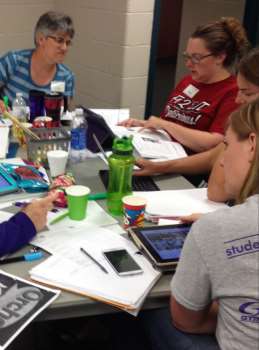
First, teachers were pre-tested on their mathematical knowledge in relation to how they would implement mathematical practices in the classroom and had to submit an “action plan related to these practices and instructional strategies used for implementation.”
Next, they were observed during instruction and given feedback during professional development sessions.
In addition to this, teachers in smaller districts nearby that do not have funding for professional development and/or resources were contacted by the teachers from Project RENEW. Together, they were able to share resources and provide professional development for these small districts. Funds provided by McCarthey Dressman Education Foundation were also used to purchase new materials for the academy, so they were able to box up their “used” standards-based textbooks, load them up in a truck and delivered them to four different districts in the area.
How did this project impact the math instruction?
After a year of funding they’ve improved “by leaps and bounds and are ready to tackle the next steps” according to the project report.
The difference between the teacher Pre-Test and Post-Test was phenomenal. The average score starting out was a 2/7 correct responses and by the end that average had improved to 5/7. That’s 42.8% improvement in teacher knowledge of how to implement math instruction for CCSSM.
Teachers were also observed showing marked improvements on their in class instructional skills, particularly in the realm of “providing problem solving opportunities for their students, requiring productive struggle and discourse.”
To further extend the benefits of the program in their community, the teachers involved in the project were also responsible for disseminating what they learned in professional development sessions with the smaller districts.
What knowledge would they share with teachers exploring similar projects?
Like many of these ambitious projects one of the hurdles that must be overcome is the lack of resources. Even with the grant funding, they were unable to accommodate all the educators they would have liked to. The waitlist for additional involvement is long and shows no sign of letting up, much to the disappointment of those who know the project’s promise. In the future, they plan to video tape the lessons to help smaller districts to gain access to this valuable resource. This will be a focus in the year to come.
Also of note, the implementation of this program might encounter challenges operating on a larger scale due to the vast time requirements put on the educators and the stipends needed to cover their time. They hope that in the coming years that the texts, videos, and seminars resulting from this program will be able to be adapted for use by other districts and schools around the country.
Further Readings
- Report: Teacher Leadership Is Key to Common Core Success (2015, THE Journal)
- Teacher Leadership, Collaboration, and Common Core State Standards (2015, Learning First Alliance)
- Teacher Collaboration: Keys to Common Core Success (2014, AMLE)
- Teacher Collaboration: The Essential Common-Core Ingredient (2012, Education Week)
Additional Resources
- Mathematics Standards
- Common Core Standards Initiative
- Math Playground: Play with Math and Give your Brain a Workout

 McCarthey Dressman Education Foundation