
Science
ESD: Expandng Sustainable Education Through International Understanding
“I learned that even though other cultures live totally different lives, many things are still the same and we do them alike.” – Student Participant
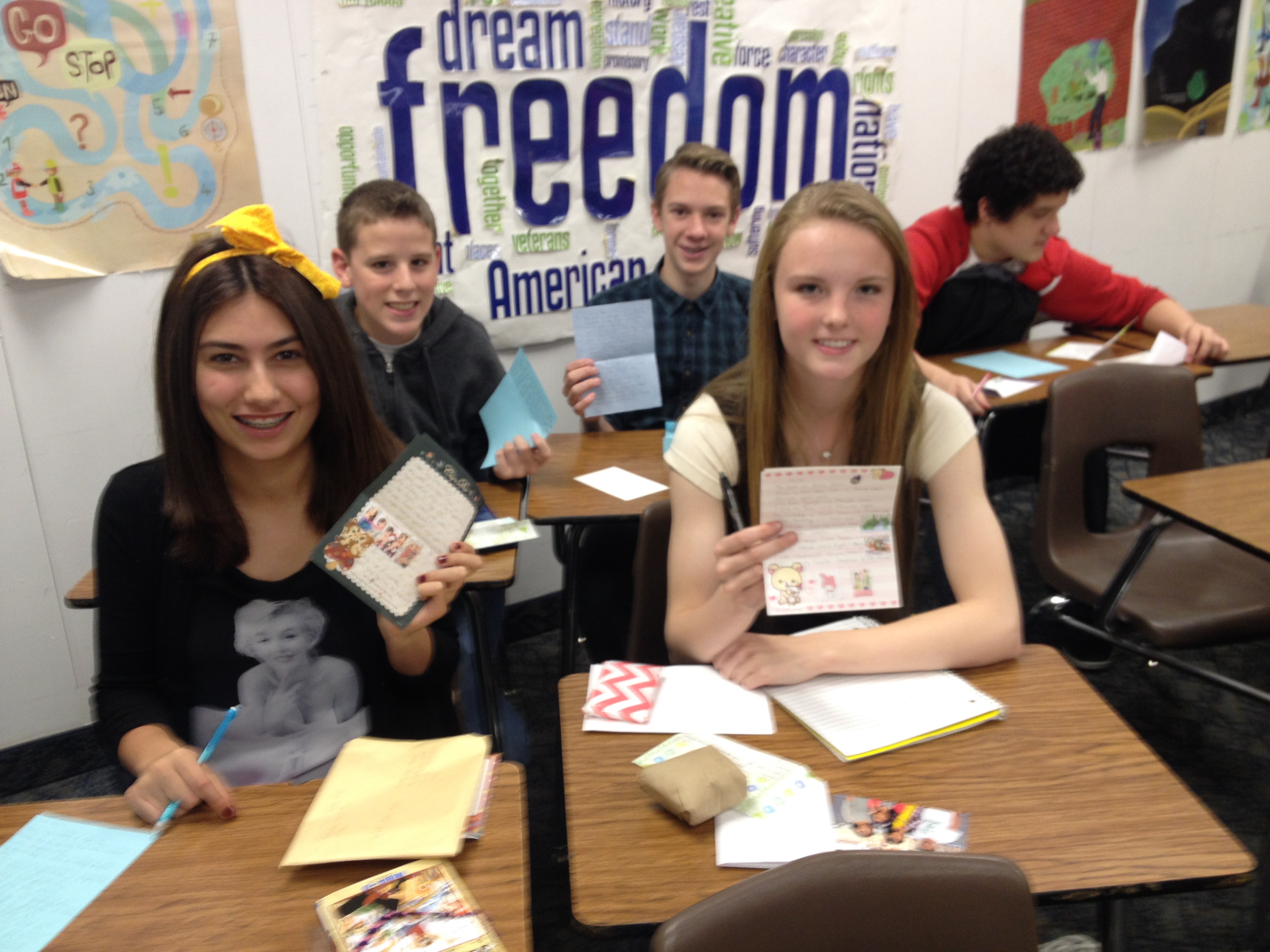
How do students learn about other cultures from studying sustainability? In a project like ESD: Sustainable Education Through International Understanding based in Orem, Utah, these things go together quite naturally. In our first update from this project we learned about how an international collaboration with Japanese students focusing on global issues and sustainability. They also worked within their local community through service projects to highlight local issues. Since we last heard from this team, they have busy growing their sustainability focused academic enrichment project to involve more learners, more educators and more conversations.
Exploring Human Equity Through Sustainable Development Education
During this second year of funding for the project, the goals expanded. The team wanted to stimulate and facilitate responsible sustainability awareness and interaction at the individual, community and global scales, so they planned to:
- Develop teacher collaboration;
- Build a Sustainability Retreat;
- Expand the Sustainability Fair;
- Conduct cross-curricular collaboration/training
and - Expose students to international discussions.
International Teacher Collaboration Fosters Partnerships and Training Opportunities
Educators from The World Studies team at Lakeridge Junior High School collaborated with teachers from Utah and Scandinavia on sustainable development education to establish partnerships and teacher training. This included hands on sustainability training in Hammarby Sjostad, Stockholm Sweden and at the European Union Offices for Environmental Education. In addition they visited schools and met with teachers where we were able to set up exchange projects between their students. This collaboration directly impacted student learning by giving students hands on and direct contact with students in Finland about sustainability.
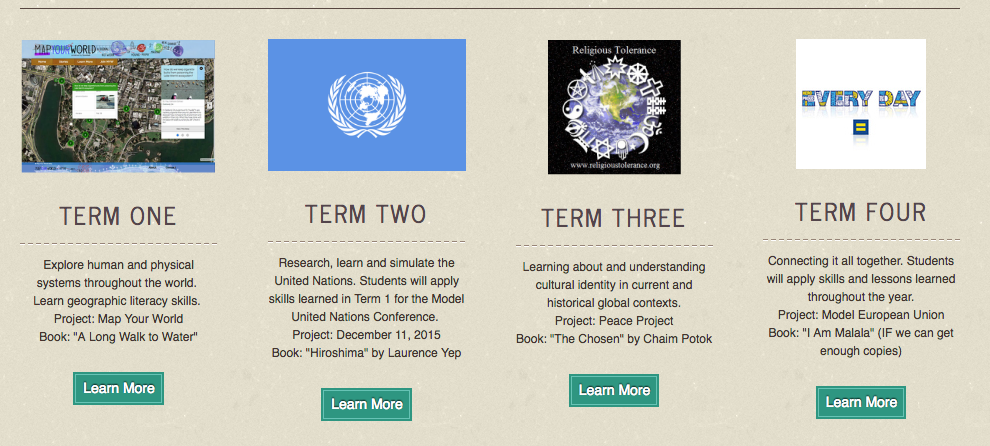
Through the grant team members were also able to arrange an international exchange with students in Finland and pay for pen-pal letters to be sent to Finland, Japan and Pakistan. Students were also able to Skype with students in Japan and South Korea to discuss global issues and learn some of the language. They were also able to continue to work with Japan Society‘s Going Global project (from the first year of this project) to talk about current events with kids in Pakistan, Japan and Finland. These collaborations also inspired an end of the year international food tasting so that students could experience new foods.
Project Team members were able to present and train teachers at several conferences during the course of the year including Utah Council for Social Studies/Utah Geography Alliance Conference, Utah Environmental Education Conference, Utah Coalition for Educational Technology Conference, and Merinda Davis was a panel speaker for Finnish Educator/Author Pasi Sahlsberg when he spoke at BYU. Utah Education Network has also asked the team to submit lesson plans for these projects to share with teachers throughout the state.
Sustainability Retreat Prepares Students for Global Conversations
Using from the McCarthey Dressman Education Foundation Lakeridge educators were able to sustain the 3‐day, 2–night Sustainability Retreat. At the retreat this year they offered special schedule of University Professors and community specialists who came to speak to the students in a TEDTalk format.
Students who participated in the previous year of the project helped to serve as councilors and helped prepare the current students to be chairmen for the school wide Model United Nations Conference. During this time they were given the opportunity to learn about sustainable development topics and how they influence the local and global communities.
To share their learning, students who attended completed reflection videos from their experience. Through access to technology students completed sustainability based research, communicated with international partners on global issues and produced dynamic media in partnership with Adobe who donated software for all of the computers labs in the school.
Student Documentaries Evolve for Sustainability Fair
Using the model they created the previous year, the team made some changes to the ‘Sustainability Fair’ so that they could include more students. As the 9th grade students worked on their sustainability documentaries they created posters, trailers and PSA’s to advertise their documentaries. Each poster had a QR Code linked to their trailer or PSA and were posted throughout the school for Parent-Teacher Conference and for the rest of the year.
Another way they evolved the project was that they set up a school Student Film Festival, where each day student media was exhibited and students voted on the best documentary. The winners of the best documentary for each day received prizes being donated by local businesses as well as purchased through the McCarthey Dressman Education Foundation grant. In addition, students created projects for the Fairchild Challenge, a sustainability based competition for Utah. Through these partnerships, the team was able work together to expand student participation in sustainability fair.
Model United Nations and Model European Union Conferences expand Student Perspective on Migration
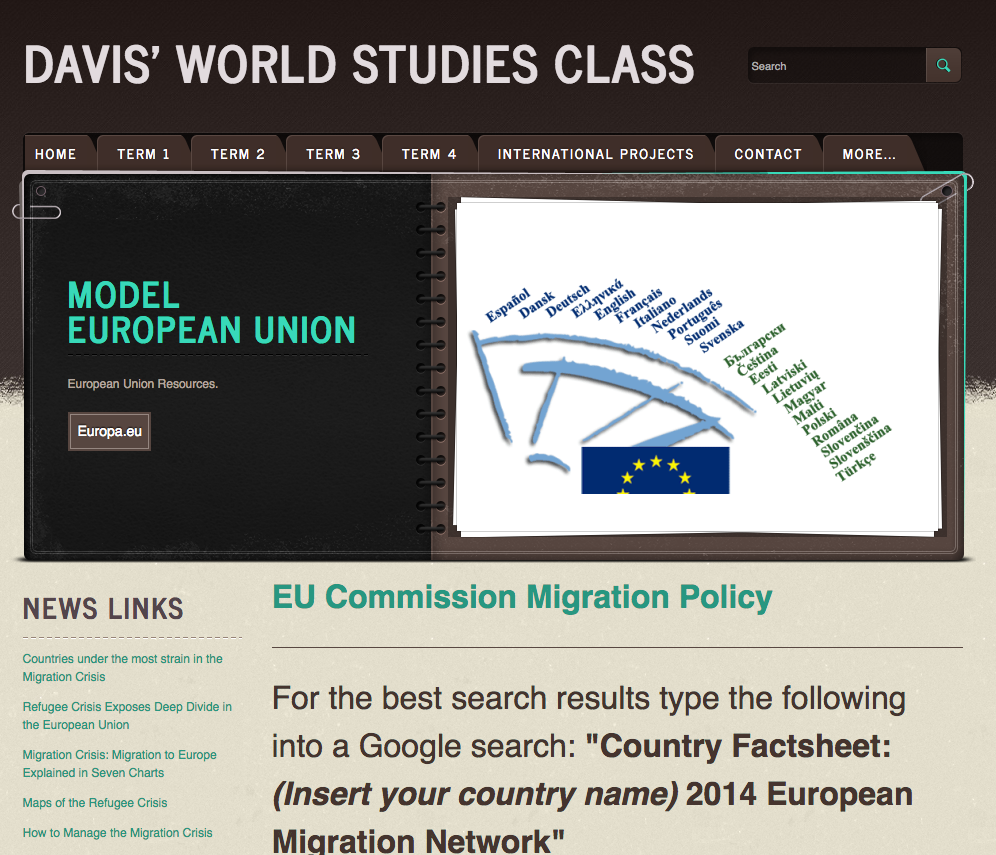
In addition to the Model United Nations (MUN) Sustainability Conference that they offered on the topics of Water, Urban Planning, Energy and Agriculture in December 2014, in May 2015 they scheduled a Model European Union (MEU) Conference to discuss the topic of Migration. About 400 students participated in both conferences.
For MUN they assumed roles of diplomats from over forty different countries in ten different committees. Students studied their respective countries and their policies on the assigned topics, two topics per committee. They produced documents that outlined their countries’ policies and applied this knowledge, using parliamentary procedure, in debating, compromising and writing resolutions with fellow participants. For MEU they assumed roles of country leaders in the European Council. Much like MUN, they studied their countries and the impact of migration on both their country and the European Union using the most recent information available. Because this is a timely issue and they have contacts in Europe, students were able to learn about the perspective of European students.
Achievements Extend Beyond Curriculum
Students, in conjunction with watching the movie “Gandhi,” completed ‘Roman Kent Peace Projects’ for which the purpose was to help them understand how their actions make a difference. Students came up with a wide variety of ideas – as unique as the students themselves. All of the projects throughout the year had a cumulative effect in increasing awareness and student discussion.
One student decided to write kind notes on index cards and hide them in books in the library for people to find. Another sent 25 text messages to friends and family telling them how important they are, and said after, “I learned that everyone needs a little love no matter who they are, and the community as a whole should express more kindness and peace towards their peers.”
Another student taught a lesson on tolerance and avoiding discrimination to elementary school kids, because “I wanted to leave an impact on people younger than me. My generation and the generations following mine are responsible for the future moral values of society, so I thought it would be important to reinforce ideas about tolerance and peace to kids at a young age.”
Reflecting on their international and sustainability experiences students said:
“I learned that it is important to experience other cultures and talk with other people about their lives. I also learned that it is somewhat difficult but important to communicate with people from other countries.”
“I learned that even though other cultures live totally different lives, many things are still the same and we do them alike.”
“I learned that we have a great future map of Utah’s water which makes me happy. I did learn that we don’t have enough water if we just keep wasting, if we take little steps right now and start to conserve like shut off water then you are good and our future doesn’t need to be worried about.”
“I learned that I’m better at stepping outside my comfort zone than I thought, with talking to new people and things.”
“I learned that I can be a good leader and help people know what they can do to be helpful.”
“I learned that I have great editing skills. And I can also lead a group that doesn’t really work to get things done with. I didn’t wait until the last minute but I did at the same time. Next time I just need to take it and do little by little.”
“We learned that what we do personally can make a difference. But we can make a difference as a community to be more sustainable.”
“I liked how we were able to find out about a problem pertaining to sustainability in our community, Utah, USA, or even bigger, the world. It helps people to realize how many problems there are that may go unnoticed to many people.”
The program has also affected the learning of educators. Davis stated,
“The McCarthey Dressman Education Foundation Academic Enrichment grant has allowed for learning opportunities that I never expected. This grant has not only been transformative for my students, but for my school community and me. My curriculum is being revitalized in a way to engage and enrich students’ lives. It has given students opportunities that they would not have had otherwise. In addition to presenting to teachers throughout the state, I was able to present these projects to the Utah House of Representatives Education Committee and to the Governor during the Governor’s Education Committee meeting. As a direct result of these projects I was selected as a 2015 National Geographic Grosvenor Teacher Fellow and a 2015 PBS LearningMedia Digital Innovator where I will be able to bring back more engaging projects for my students to enrich their learning. Additionally, in January 2015 I was one of twenty‐four international educators selected to attend the 70th Anniversary of the Liberation of Auschwitz in Poland. Because of that experience and collaboration with international educators I was able to expand the sustainability projects to include social equality.”
What could other educators learn from this project?
The end of year project report from the team offered a few reflections for project improvement. Although the documentary project worked better this year with the adjustments that they made, next year they will continue to improve by making adjustments based on student feedback. The biggest challenge they faced this year was timing because of the new projects they implemented took extra time.
Team members plan to adjust the curriculum pacing to help build a stronger foundation for students to build on using these projects. They were able to develop projects with schools in Finland and will continue that, in addition students will have more exchange time in the following year. Although students had more time this year to work on sustainability projects, next year they will submit projects to the Fairchild Challenge and Davis will work with the district to help other schools get involved in this sustainability fair.
Next year as part of the curriculum redevelopment they are going to include more of the human rights as part of sustainability. As the three ‘E’s’ of sustainability are: environment, economics, and equity, next year will be a culmination of what they have learned these last two years.
All in all, at the end of the second year, more than 100 students were able to participate in a sustainability retreat with experts and professors.
More than a thousand students were exposed to sustainable development concepts, International exchanges and international culture/food.
As Davis explains, the funding was leveraged to meet many needs and sustain further academic enrichment in this area, “This McCarthey Dressman Education Foundation Grant allowed us to support pen-pal exchanges, subs so we could get the resources, international teacher collaboration, and funding field trips to local restaurants with guest speakers. We now have a class set of computers, a multimedia lab so students have access to filmmaking equipment, filming studio, and training. These students have been able to exhibit their work and be recognized for their learning. We have been able to share these academic enrichment projects with teachers around Utah as well as internationally.”
Learn more
- Sustainable Education – putting relationship back into education
- Education for Sustainable Development, UNESCO
- The Journal for Sustainability Education
- Sustainable Schools Project
Share this:

Sustainable Education Through International Understanding
“When one country has an issue, it becomes the whole world’s issue. We as a planet have to try and make a change, because there is only one earth, which happens to be our only home… The small things affect the most, so definitely, I will do small things to save and conserve our planet.”
That’s a quote from one of the students, in the ESD: Sustainable Education Through International Understanding program, after collaborating internationally with Japanese students. It exemplified what the educators at Lakeridge Jr. High School were setting out to accomplish with this program.
Students Learn About Sustainable Education and How It Impacts the World
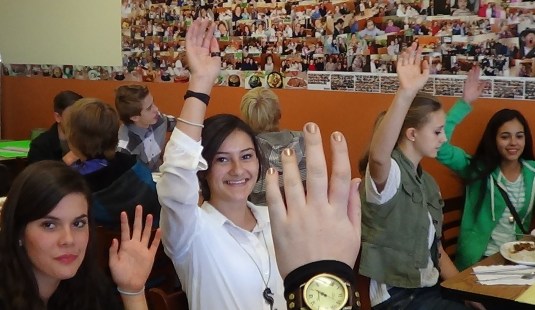
In an increasingly interconnected and globalized world the butterfly effect takes on new meaning. Emission problems in one country don’t just affect them; they affect all the surrounding countries and some that are not so close. As the rainforest is depleted we lose a global source of oxygen. When radiation leaks into the ocean, everything from algae to people are affected. Creating an awareness of global issues and sustainability is a necessary part of surviving in the modern world.
As Americans we often find ourselves a bit self-centered when it comes to world issues, but now that we can communicate across oceans with the click of a button, that distance has shrunk immeasurably and we can no longer afford to only think of ourselves.
How are 9th grade students in Orem, Utah learning about global issues through sustainability?
According to the initial proposal, submitted by Merida Davis’ team at Lakeridge Jr. High School, “Our goals are to stimulate and facilitate responsible sustainability awareness and interaction at the individual, community and global scales.” Their goal was to be realized by creating cross-curricular partnerships between the science department and the other subject instructors, initially in a professional development workshop. By creating this cross pollination of subjects teachers learned to “seamlessly incorporate sustainability into their subjects… and […] new perspectives on teaching their own subject area.” After this initial work with the educators was completed, the project moved on to address the students directly.
To become well versed in sustainability, students participated in sustainability-based community service projects. Part of those projects were about creating a documentary movie to highlight local issues, such as pollution, agriculture, climate change, resource management and depletion. Along with this, they also collaborated with Japanese students, giving them a perspective on this subject that they wouldn’t get otherwise.
WATCH: ESD Student Videos at VPD Awards
This project includes plans to offer a Sustainability Fair where students will celebrate their work by sharing their service and other sustainability-based projects. The Fair will culminate with a student film festival showcasing their work from throughout the school year.
Is this project something other teachers can replicate?
While now the primary benefits go to those students and educators directly involved with the program, it is the hope with future funding that they will be able to create online archives of lessons, produced videos, and other student work to serve as an outline for educators to adapt the program to their own schools needs.
Though the bulk of the cost goes into covering the teachers training, the best part about this model is once that initial hurdle is cleared it becomes increasingly easier year after year to teach this program.
How has the project evolved?
Through the lessons learned the projects accomplished in the last year, the educators have a better grasp on how to replicate the program in other classrooms more efficiently. Being able to replicate the program will enable them to broaden their scope in the coming year.
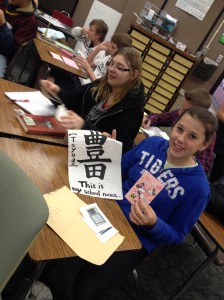
Through the grant they’ve been also able to fund Pen Pal letters to Toyoda Jr. High School in Japan. The exchange went beyond traditional pen pal relationships in that they were also able to chat electronically with students in Japan and Pakistan. A few students started learning basic Korean which resulted in a field trip to a Korean restaurant for many of the students first encounter with that culture’s cuisine. As a result of these opportunities, exchanges have also begun over Skype with students in Korea.

All of these things are creating students with a wider worldview and a greater connection to a global society. Through building relationships between teachers, offering meaningful exchange opportunities to students and by taking time to integrate curriculum, the ESD team has made sustainability education a reality for their students.
Learn more
- Sustainable Education – putting relationship back into education
- Education for Sustainable Development, UNESCO
- The Journal for Sustainability Education
- Sustainable Schools Project
Share this:

Lesson Study Improves Science Instruction
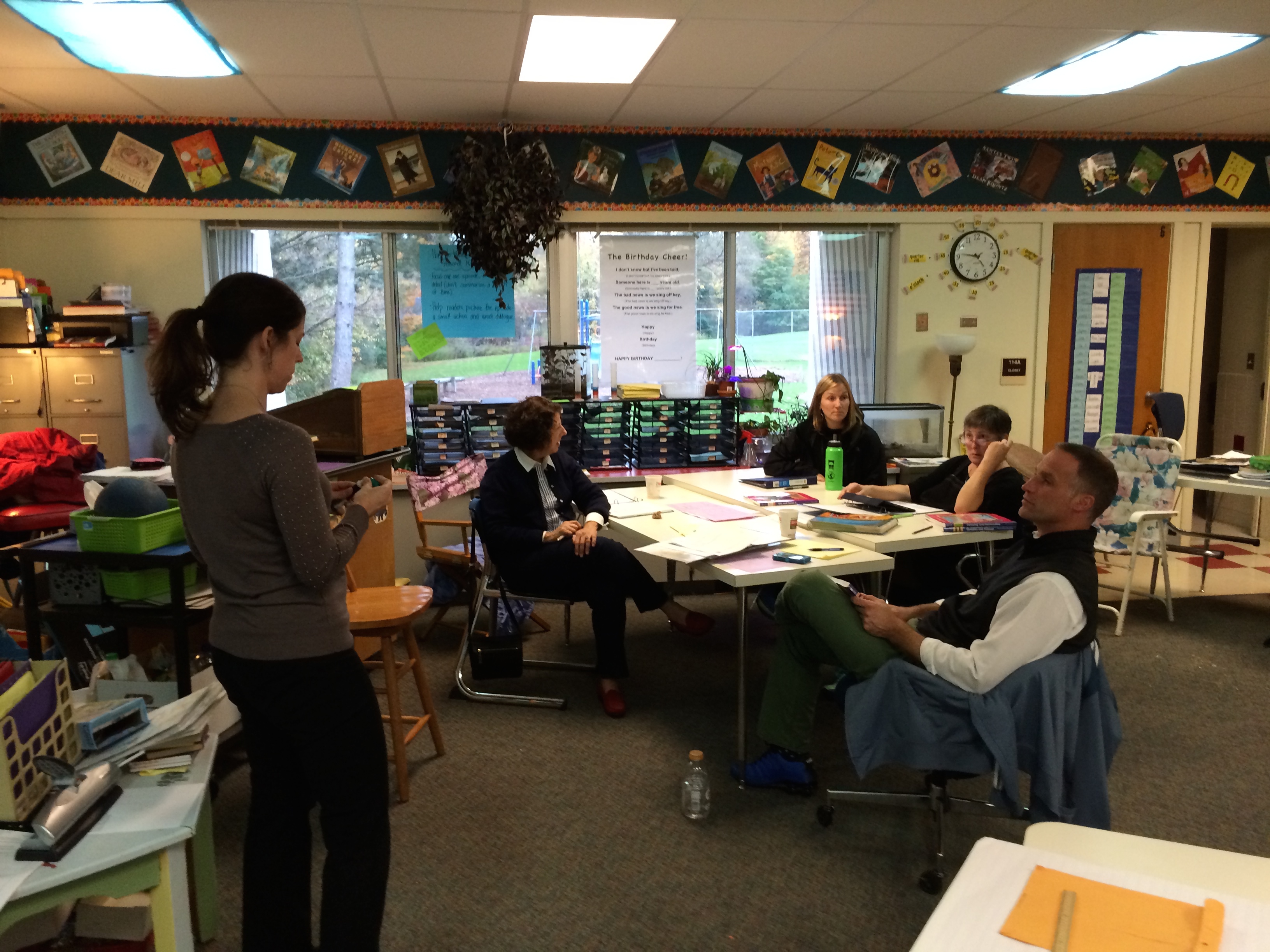
It’s no secret that Lesson Study works.
There are many, well documented success stories and it has been used to great effect in Japan.
There’s a reason Japanese students consistently score in the top ten in the Organization for Economic Operation and Development’s Programme for Student Assessment. But today’s blog isn’t about Japan, it’s about improving the quality of elementary level science instruction and how the educators at Long Branch Elementary in Liverpool, New York are doing it.
What is lesson study?
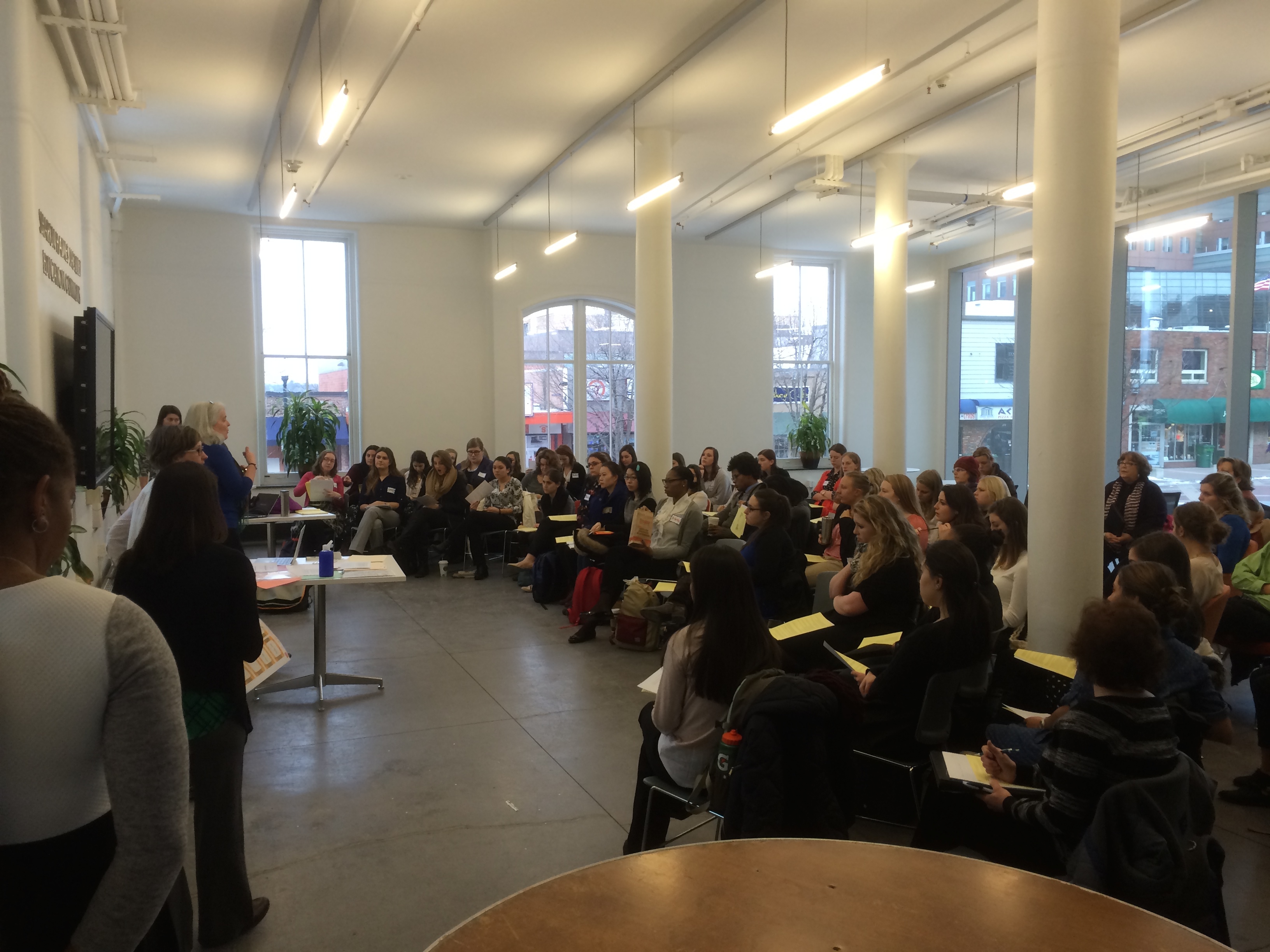
For those that may not know, Lesson Study is a widely utilized collaborative professional development practice (2015, Wikipedia). Lesson Study starts with a group of educators that pick a content focus with the express purpose of preparing a research lesson. That group will convene regularly to share research, discuss national, state and local education policies and standards correlating to the subject at hand. This enables teachers from a wide variety of subjects and disciplines to cross-pollinate their ideas and research with one another in a directed and focused environment. By observing and critiquing each other’s lessons and delivery these educators are able to elevate each other’s abilities and knowledge base. And by the transitive property, the students are exposed to a well-constructed lesson plan.
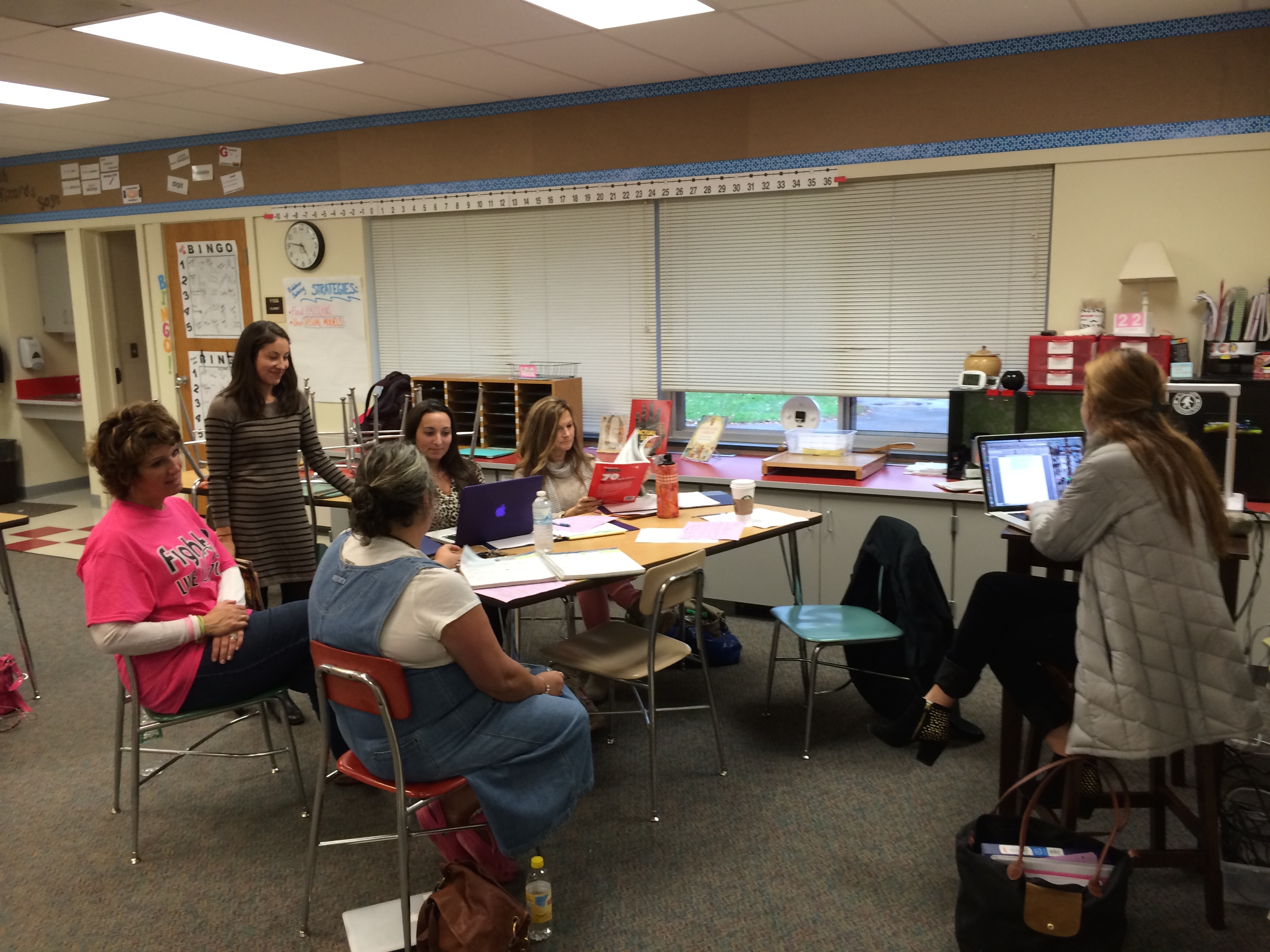
How are the teachers at Long Branch Elementary using lesson study?
These educators decided to focus their lesson study efforts on the sciences, including studying a national framework for science education and how they could adopt it to fit their specific needs.
According to their proposal, they wanted to be guided by the following three questions:
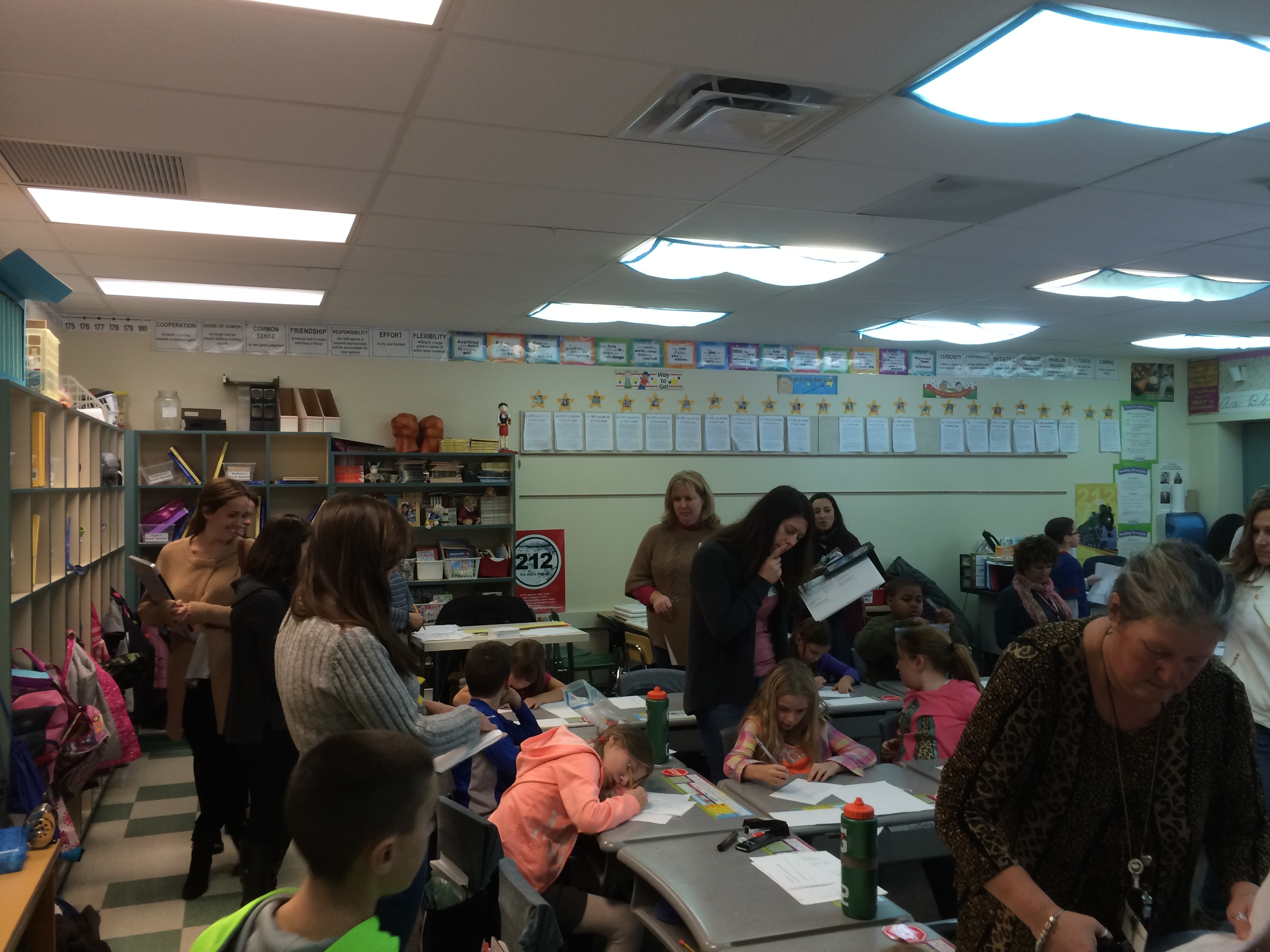
- How do we design science instruction that makes students’ thinking visible?
- How can we meet our students’ needs and simultaneously address the new science framework?
- How will evidence of students’ learning be used to help us revise our original lesson?
What did they learn?
The project at Long Branch Elementary has been so successful that their program and teaching tools have spread to two other schools in the region, with educators from those schools now participating in the lesson study program. In addition, at the time of their report, they had three out of the four research cycles completed and implemented, with the final research team in the midst of their own cycle and well on their way to completion.
The educators participating expanded their knowledge base about claims/evidence, science content knowledge, and constructivist methods for teaching elementary science. The teachers also expressed “self-efficacy and confidence in regards to teaching claims and evidence, using inquiry-based instruction and teaching with student science notebooks.”
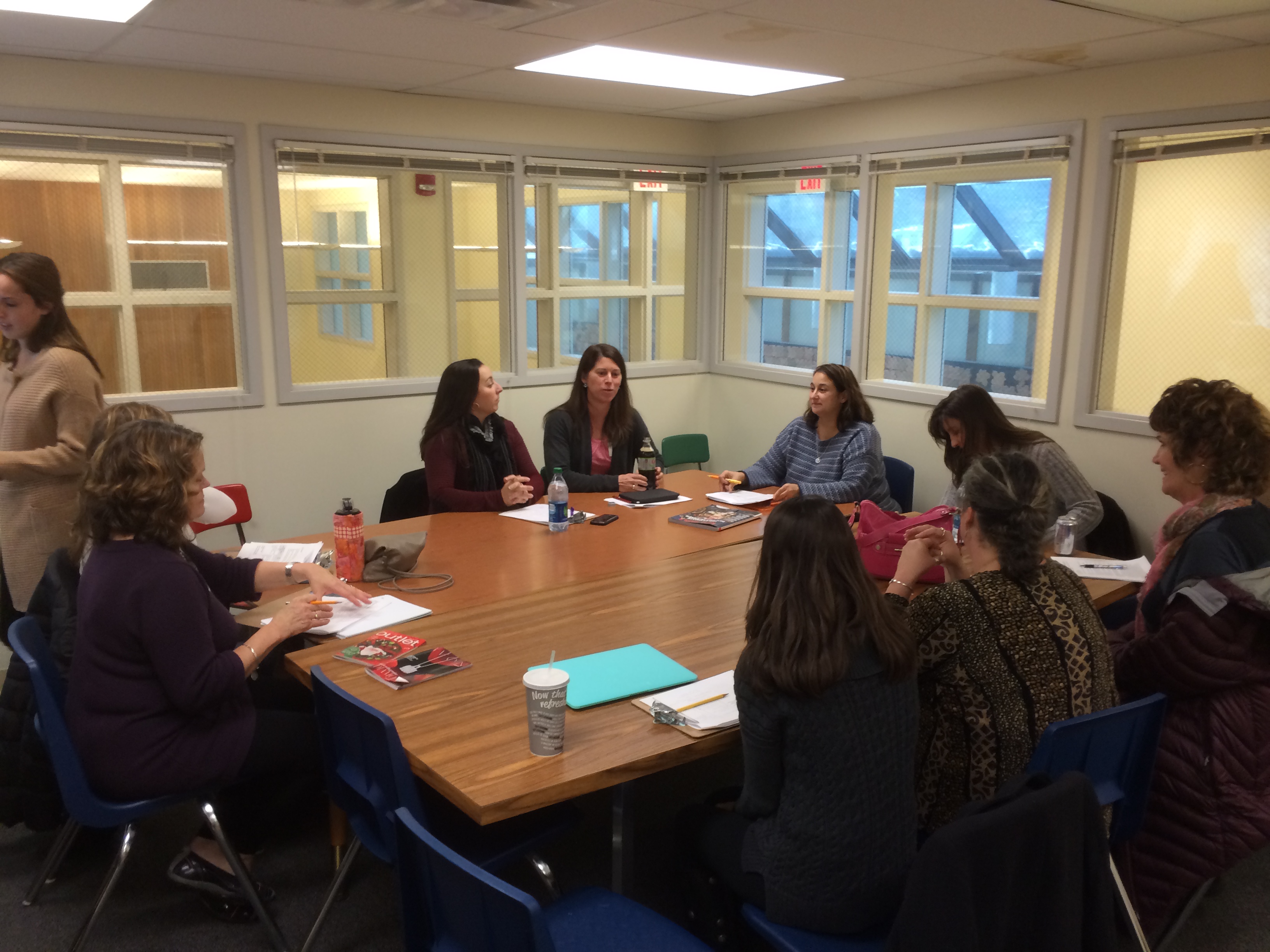
Teachers weren’t the only ones to benefit. Students had the opportunity to collect data, engage in scientific experimentation and increased the level of science knowledge throughout the course of the cycle.
How did Lesson Study support improved science instruction?
Understandings gleaned from the Lesson Study were used to inform instruction. For example, educators learned that it can be difficult to facilitate discussions with students with varying levels of comfort with the subject matter. Teachers report that teaching students to make claims based on evidence has been a bit of a pedagogical challenge, as the students tend to confuse evidence with claims. They also found that without visual aids, such as graphs and charts, the difficulty in communicating these ideas increased exponentially. These valuable understandings of what wasn’t working in the science research lessons provided educators with specific modifications they could make in their lessons to make student learning more effective.
What did they learn about implementing Lesson Study?
The structure of their school is not very supportive of lesson study which has forced them to start their meetings during the summer. They found they cast too wide a net when it came to getting the research groups started and think that scaling down the research lessons will improve the speed in which they can be implemented.
How can you make this work at your school?
Research and texts on lesson study are not hard to come by. The biggest challenge you can face is that your school does not have the time or resources to implement the necessary bits and pieces at study inception, however, once the process gets going the road gets easier as the work invested makes future studies easier. Bottom line? Lesson study works. Make it work for you.
Learn more about Lesson Study
- What is lesson study?
- A deeper look at lesson study
- Challenges to Importing Japanese Lesson Study: Concerns, Misconceptions, and Nuances
- Lesson study (Wikipedia)
Share this:

Lesson Study: Improving Science at Willow Field Elementary School
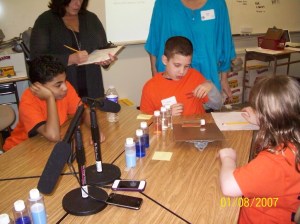
One of the biggest factors in positively impacting student learning is teacher’s self efficacy and skill in communicating quality instruction. If you aren’t a natural communicator, this isn’t the easiest skill set to develop. With an increased emphasis placed on ELA (English Language Arts) and mathematics instruction at the elementary level, science instruction seems to have fallen through the cracks. The teachers at Willow Field Elementary in Liverpool, NY have developed a proposal to address that very issue. How do they plan on doing this? Through “Lesson Study.”
What is lesson study?
It’s also known as kenkyu jugyo in Japan, where the technique was developed. It’s focus is on teacher collaboration to discuss learning goals and planning actual classroom lessons. This is followed by observation and revision so that other teachers can benefit from it. According to their original proposal, a lesson study cycle begins with a team of educators who determine the content on which they want to focus for the purpose of preparing a research lesson. In this case, it is with a focus on science education, though the model can be adapted to fit any subject.

How does the project work?
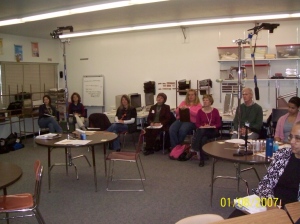
The project team meets regularly to study and discuss the national, state and local standards and reviews educational research regarding the content. In Willow Field Elementary’s case, they’ve been studying the new National Framework for Science Teaching, recent journal articles from the field of elementary science education and consulting with the Department of Science Teaching at Syracuse University to become more knowledgeable in elementary science content and teaching practices. Using what they’ve learned, they will collaboratively write a lesson plan, which will be taught to a group of students while at the same time having the lesson video taped for further discussion. All of this is done with the end goal of improving instruction. How specifically? By starting to teach more science than in the past, teachers gain comfort and improve teaching effectiveness. When combined with studying the national framework, research literature, and the data they have collected about student’s learning process and outcomes, teachers can more easily pass on what they have learned to other professionals.
What did the teachers study?
Three questions, specifically, are guiding teacher learning in this project.
- How do we design science instruction that makes students’ thinking visible?
- How can we meet our students’ needs and simultaneously address the new science framework?
- How will evidence of students’ learning be used to help us revise our original lesson?
How did they find the time?
Because lesson study requires teachers have time to plan, observe and reflect with each other, scheduling is difficult. With the logistical challenges inherent in this model, they have certainly faced an uphill battle. Gearing up in August was required; team members needed time to plan. The project went into full swing of September 2012 with nine elementary school teachers and a building principal meeting a Syracuse University doctoral student and science education professor to discuss the overview of the Lesson Study process to those new to the method. Shortly after, they met to determine their over all research focus.
Their goals:
- Students will be problem-solvers.
- Students will be inventive, creative and curious.
- Students will be risk-takers.
To help focus their efforts, teachers broke into three smaller teams, each dedicated to a grade and content specific focus.
- 2nd Grade Science- Understanding the Specifics Matter (two second grade teachers, doctoral student)
- 4th/5th Grade Science- The Force of Magnetism (two 4th Grade and one 5th Grade teacher)
- 6th Grade Art – Observational Drawing to Support Sketching in Science Notebooks (two Art teachers, one 6th Grade and one 3rd Grade teacher)
Once the teams were in motion, they could follow the traditional model for the next semester. So after a year and a half of the program, how is lesson study impacting the students and teachers of Willow Field Elementary?
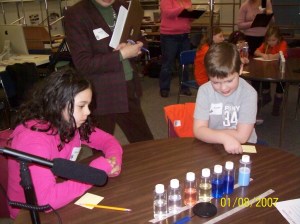
Impacting teachers, students, and administrators
With time, support and resources for lesson study, what were the teachers of Willow Field Elementary able to achieve?
- Teacher participants gained further pedagogical content knowledge with regard to science content knowledge, observational drawing and uses in science and, constructivist methods of teaching elementary science (versus direct instruction)
- Teacher participants expressed increased self-efficacy and confidence
- Students gained experience collecting data
- Students benefited from the many revisions to the lesson during the lesson study cycle
- Students engaged in authentic scientific experimentation
- Students gained content knowledge
- Students who volunteered on the Professional Development Day had the benefit of seeing their teachers as learners. They also experienced pride in playing a role in their teachers’ professional development.
In their project update, members wrote “Our lesson study team garnered increased support from the district administrators.” Seeing the model in action “allowed them to recognize the benefits of lesson study as an authentic model of professional development.”
How could the project be improved?
With all of the positive outcomes, members reflected on ways to improve on their experience. They found it especially challenging to differentiate lesson study for the experienced and novice participants, though in future iterations this problem may simply solve itself through teacher collaboration. Scheduling and logistics, as always, was a nightmare. But the biggest problem they faced was that the current school structures do not support lesson study mechanisms. In order to widely adopt this model for nationwide consumption, a massive overhaul of our education system would be needed. However, for the individual school this method can prove invaluable in improving teaching and communication skills thus facilitating improved learning.
Further Reading
- Lesson Study: How Can It Build System-Wide Improvement? (Lewis, 2008)
- What is Lesson Study? (Teacher’s College, Columbia University, Undated)
- Lesson Study (Wikipedia, 2012)
- A Mathematics Leader’s Guide to Lesson Study in Practice (EDC, 2010)
- Chicago Lesson Study Group (McDougal, 2011)
Schools in the News using Lesson Study
- ‘Lesson Study,’ Japanese Strategy for Improving Teachers, Catching on in US (Lutton, 2012)
- Sherwood Middle Schools pilot collaborative Lesson Study, taken from Japan (Hammill, 2014)
Share this:

- ← Previous
- 1
- 2
 McCarthey Dressman Education Foundation