
Sustainable Education Through International Understanding
“When one country has an issue, it becomes the whole world’s issue. We as a planet have to try and make a change, because there is only one earth, which happens to be our only home… The small things affect the most, so definitely, I will do small things to save and conserve our planet.”
That’s a quote from one of the students, in the ESD: Sustainable Education Through International Understanding program, after collaborating internationally with Japanese students. It exemplified what the educators at Lakeridge Jr. High School were setting out to accomplish with this program.
Students Learn About Sustainable Education and How It Impacts the World
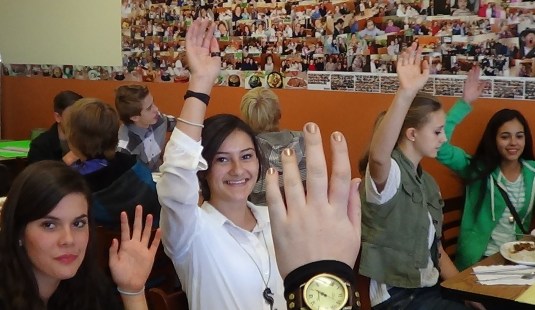
In an increasingly interconnected and globalized world the butterfly effect takes on new meaning. Emission problems in one country don’t just affect them; they affect all the surrounding countries and some that are not so close. As the rainforest is depleted we lose a global source of oxygen. When radiation leaks into the ocean, everything from algae to people are affected. Creating an awareness of global issues and sustainability is a necessary part of surviving in the modern world.
As Americans we often find ourselves a bit self-centered when it comes to world issues, but now that we can communicate across oceans with the click of a button, that distance has shrunk immeasurably and we can no longer afford to only think of ourselves.
How are 9th grade students in Orem, Utah learning about global issues through sustainability?
According to the initial proposal, submitted by Merida Davis’ team at Lakeridge Jr. High School, “Our goals are to stimulate and facilitate responsible sustainability awareness and interaction at the individual, community and global scales.” Their goal was to be realized by creating cross-curricular partnerships between the science department and the other subject instructors, initially in a professional development workshop. By creating this cross pollination of subjects teachers learned to “seamlessly incorporate sustainability into their subjects… and […] new perspectives on teaching their own subject area.” After this initial work with the educators was completed, the project moved on to address the students directly.
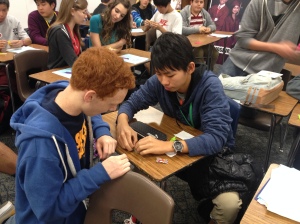
To become well versed in sustainability, students participated in sustainability-based community service projects. Part of those projects were about creating a documentary movie to highlight local issues, such as pollution, agriculture, climate change, resource management and depletion. Along with this, they also collaborated with Japanese students, giving them a perspective on this subject that they wouldn’t get otherwise.
WATCH: ESD Student Videos at VPD Awards
This project includes plans to offer a Sustainability Fair where students will celebrate their work by sharing their service and other sustainability-based projects. The Fair will culminate with a student film festival showcasing their work from throughout the school year.
Is this project something other teachers can replicate?
While now the primary benefits go to those students and educators directly involved with the program, it is the hope with future funding that they will be able to create online archives of lessons, produced videos, and other student work to serve as an outline for educators to adapt the program to their own schools needs.
Though the bulk of the cost goes into covering the teachers training, the best part about this model is once that initial hurdle is cleared it becomes increasingly easier year after year to teach this program.
How has the project evolved?
Through the lessons learned the projects accomplished in the last year, the educators have a better grasp on how to replicate the program in other classrooms more efficiently. Being able to replicate the program will enable them to broaden their scope in the coming year.
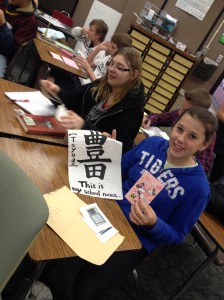
Through the grant they’ve been also able to fund Pen Pal letters to Toyoda Jr. High School in Japan. The exchange went beyond traditional pen pal relationships in that they were also able to chat electronically with students in Japan and Pakistan. A few students started learning basic Korean which resulted in a field trip to a Korean restaurant for many of the students first encounter with that culture’s cuisine. As a result of these opportunities, exchanges have also begun over Skype with students in Korea.

All of these things are creating students with a wider worldview and a greater connection to a global society. Through building relationships between teachers, offering meaningful exchange opportunities to students and by taking time to integrate curriculum, the ESD team has made sustainability education a reality for their students.
Learn more
- Sustainable Education – putting relationship back into education
- Education for Sustainable Development, UNESCO
- The Journal for Sustainability Education
- Sustainable Schools Project
Share this:

Lesson Study Improves Science Instruction
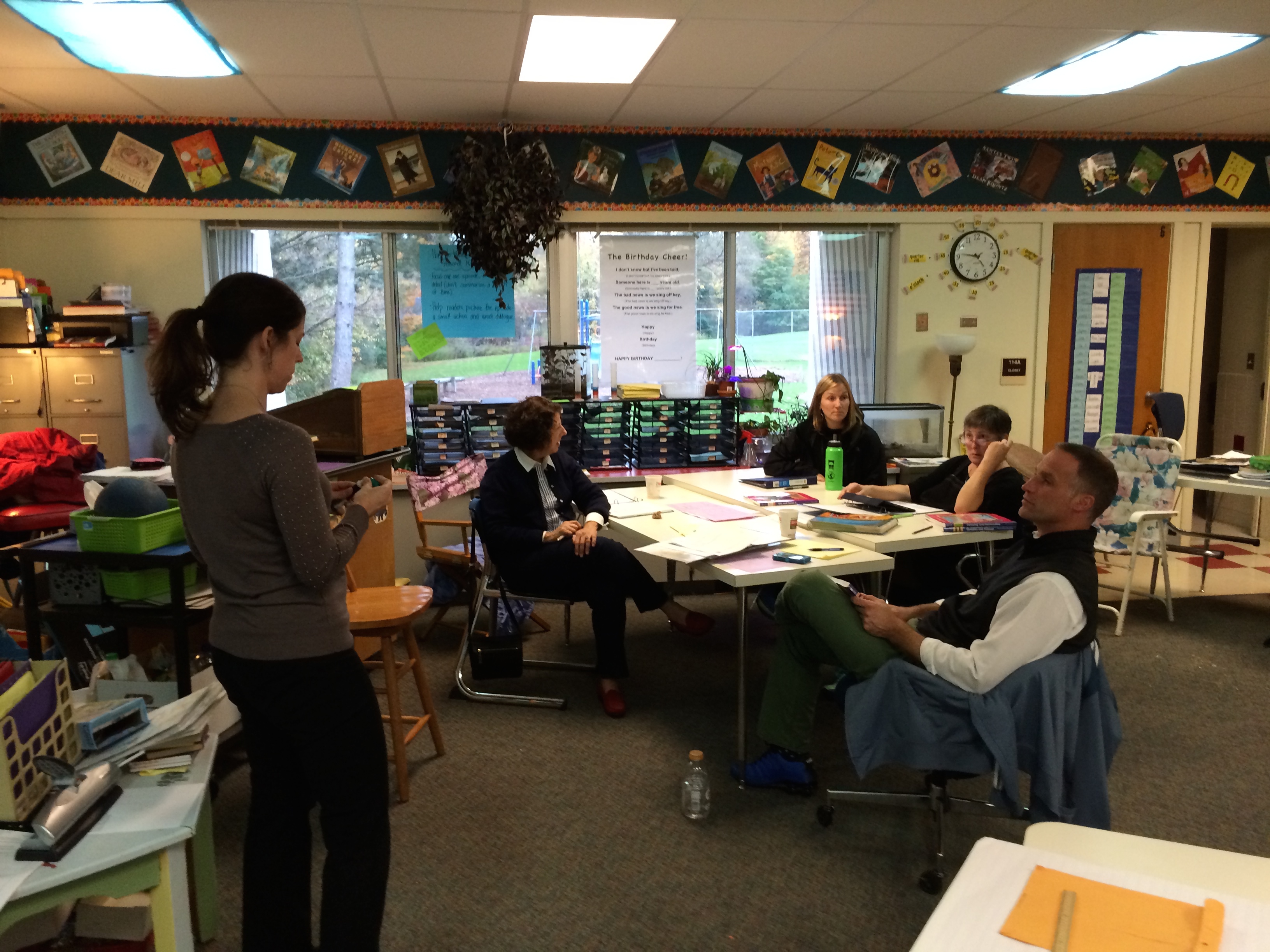
It’s no secret that Lesson Study works.
There are many, well documented success stories and it has been used to great effect in Japan.
There’s a reason Japanese students consistently score in the top ten in the Organization for Economic Operation and Development’s Programme for Student Assessment. But today’s blog isn’t about Japan, it’s about improving the quality of elementary level science instruction and how the educators at Long Branch Elementary in Liverpool, New York are doing it.
What is lesson study?
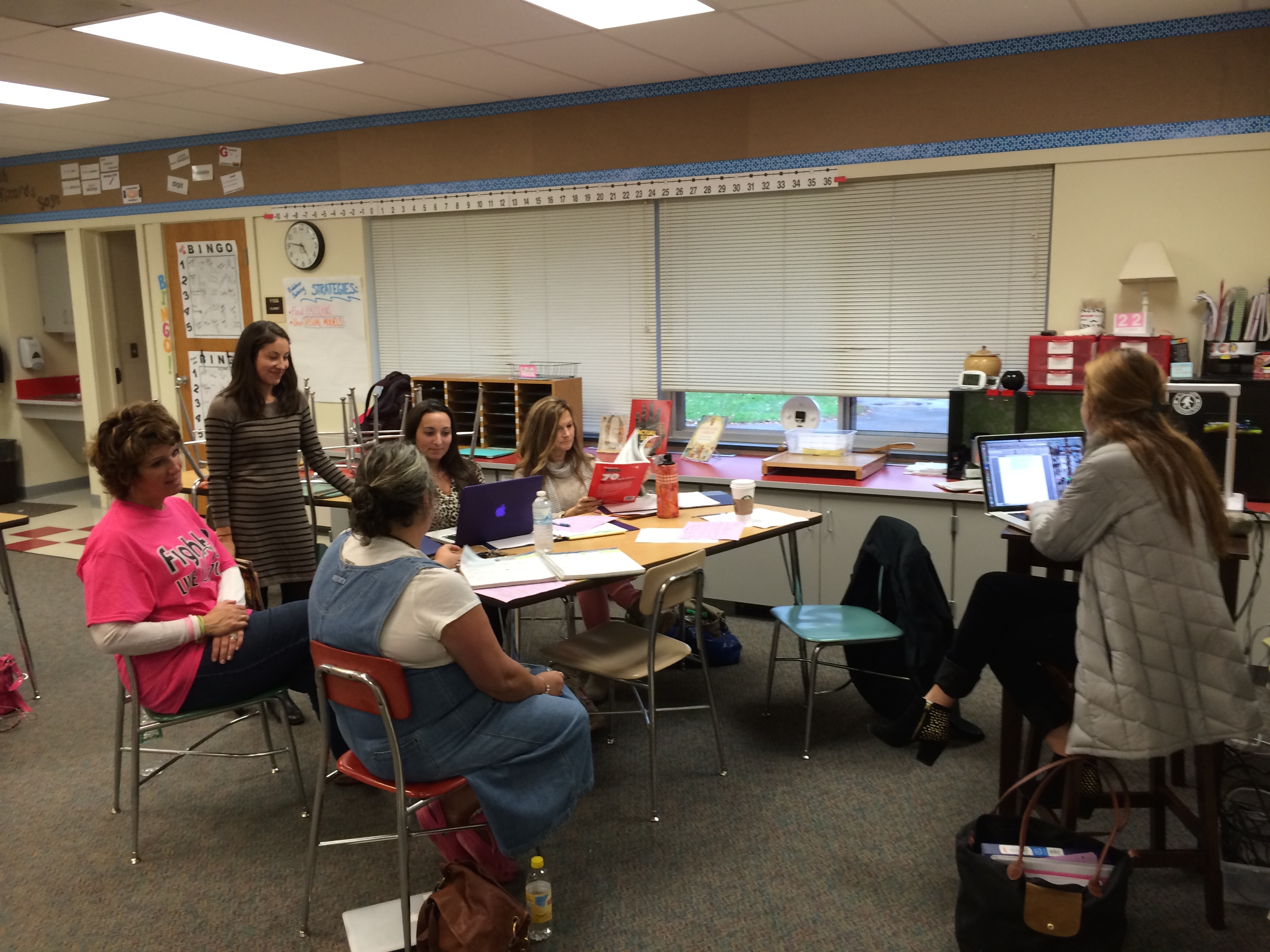
For those that may not know, Lesson Study is a widely utilized collaborative professional development practice (2015, Wikipedia). Lesson Study starts with a group of educators that pick a content focus with the express purpose of preparing a research lesson. That group will convene regularly to share research, discuss national, state and local education policies and standards correlating to the subject at hand. This enables teachers from a wide variety of subjects and disciplines to cross-pollinate their ideas and research with one another in a directed and focused environment. By observing and critiquing each other’s lessons and delivery these educators are able to elevate each other’s abilities and knowledge base. And by the transitive property, the students are exposed to a well-constructed lesson plan.
How are the teachers at Long Branch Elementary using lesson study?
These educators decided to focus their lesson study efforts on the sciences, including studying a national framework for science education and how they could adopt it to fit their specific needs.
According to their proposal, they wanted to be guided by the following three questions:
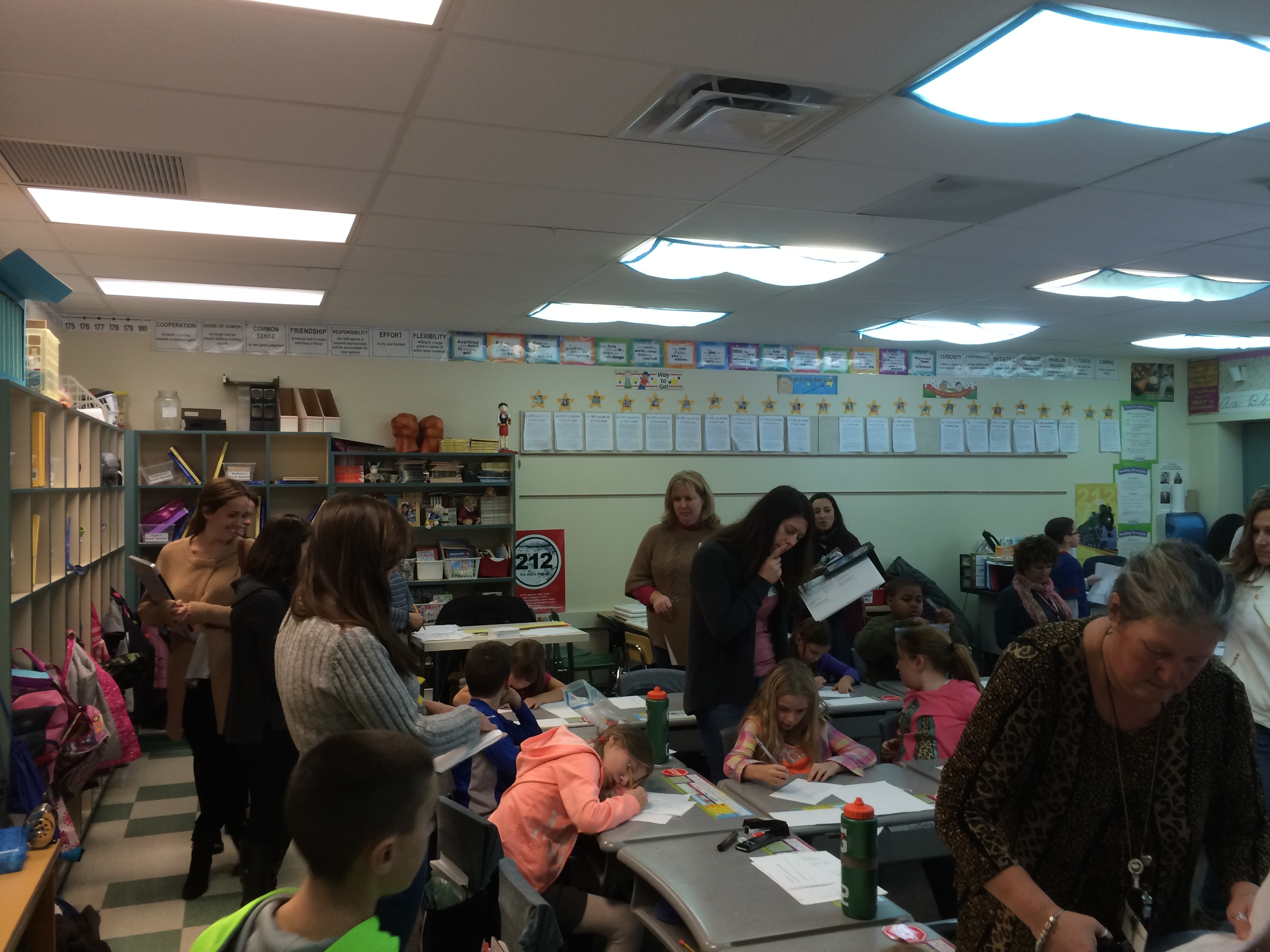
- How do we design science instruction that makes students’ thinking visible?
- How can we meet our students’ needs and simultaneously address the new science framework?
- How will evidence of students’ learning be used to help us revise our original lesson?
What did they learn?
The project at Long Branch Elementary has been so successful that their program and teaching tools have spread to two other schools in the region, with educators from those schools now participating in the lesson study program. In addition, at the time of their report, they had three out of the four research cycles completed and implemented, with the final research team in the midst of their own cycle and well on their way to completion.
The educators participating expanded their knowledge base about claims/evidence, science content knowledge, and constructivist methods for teaching elementary science. The teachers also expressed “self-efficacy and confidence in regards to teaching claims and evidence, using inquiry-based instruction and teaching with student science notebooks.”
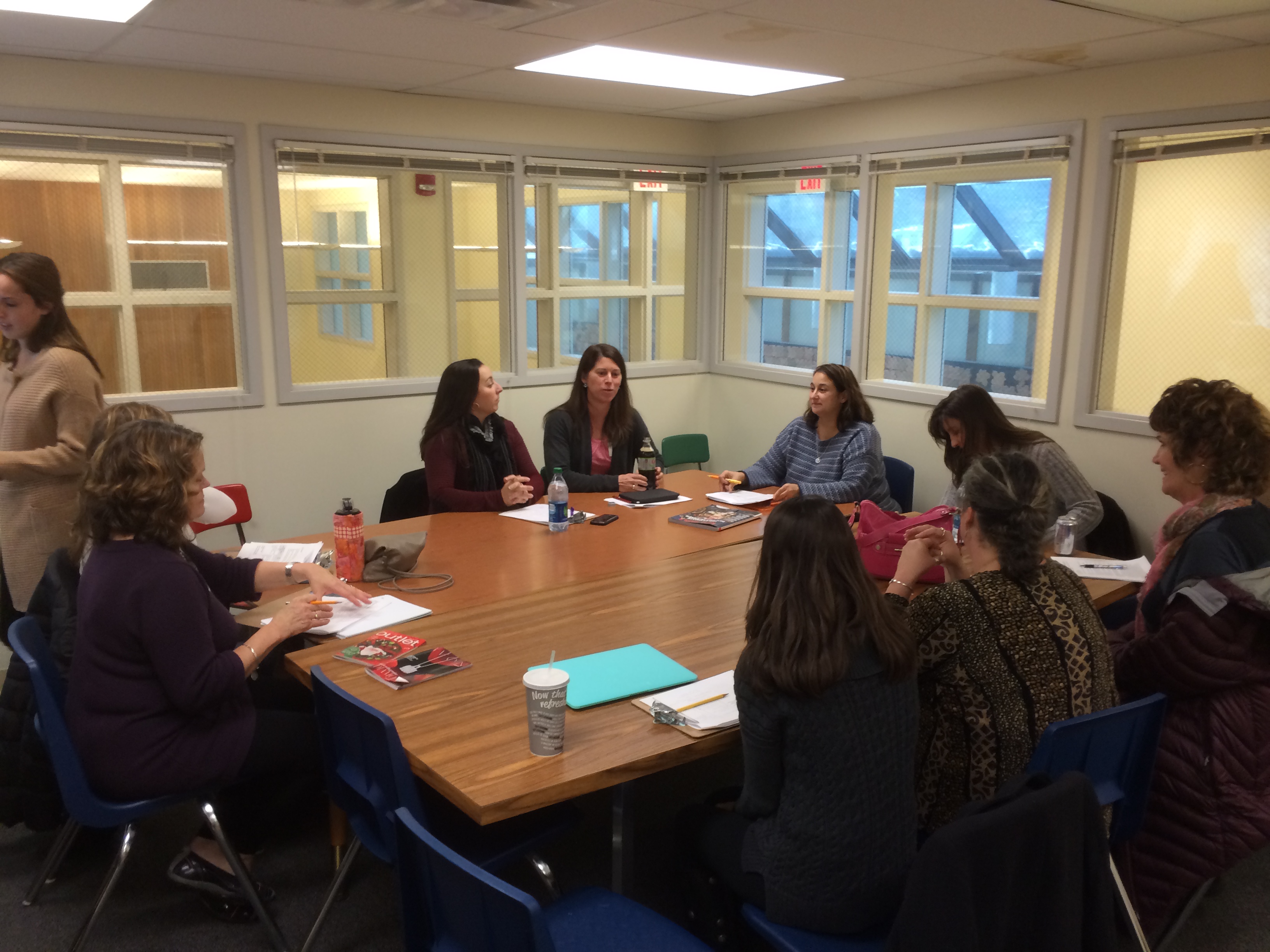
Teachers weren’t the only ones to benefit. Students had the opportunity to collect data, engage in scientific experimentation and increased the level of science knowledge throughout the course of the cycle.
How did Lesson Study support improved science instruction?
Understandings gleaned from the Lesson Study were used to inform instruction. For example, educators learned that it can be difficult to facilitate discussions with students with varying levels of comfort with the subject matter. Teachers report that teaching students to make claims based on evidence has been a bit of a pedagogical challenge, as the students tend to confuse evidence with claims. They also found that without visual aids, such as graphs and charts, the difficulty in communicating these ideas increased exponentially. These valuable understandings of what wasn’t working in the science research lessons provided educators with specific modifications they could make in their lessons to make student learning more effective.
What did they learn about implementing Lesson Study?
The structure of their school is not very supportive of lesson study which has forced them to start their meetings during the summer. They found they cast too wide a net when it came to getting the research groups started and think that scaling down the research lessons will improve the speed in which they can be implemented.
How can you make this work at your school?
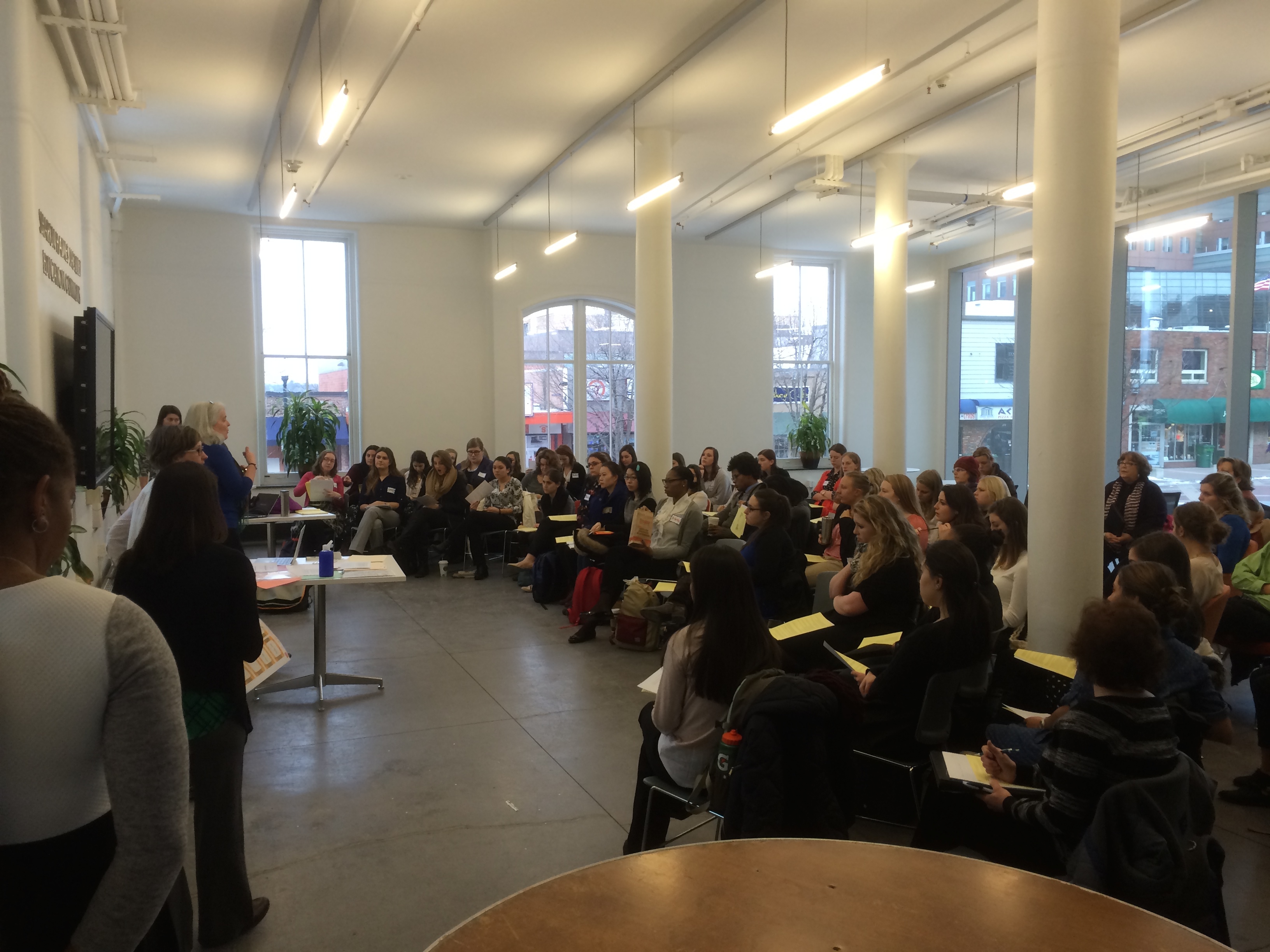
Research and texts on lesson study are not hard to come by. The biggest challenge you can face is that your school does not have the time or resources to implement the necessary bits and pieces at study inception, however, once the process gets going the road gets easier as the work invested makes future studies easier. Bottom line? Lesson study works. Make it work for you.
Learn more about Lesson Study
- What is lesson study?
- A deeper look at lesson study
- Challenges to Importing Japanese Lesson Study: Concerns, Misconceptions, and Nuances
- Lesson study (Wikipedia)
Share this:

2015-2016 Application Now Available
Here’s to another year of enriching and inspiring both learners and educators!


Applications are now being accepted on our website for this year’s application period (January 15 – April 15, 2015).
Please apply early as the number of applications which may be submitted is limited to the numbers below.
- 175 Academic Enrichment applications (preview Academic Enrichment Grant Application Questions)
- 75 Teacher Development applications (preview Teacher Development Grant Application Questions)
- 50 Scholarship applications (preview Student Teaching Scholarship/Mentoring Application)
You can learn more about McCarthey Dressman Education Foundation’s 2014-2015 Grant Recipients here.
Share this:

Teacher Collaboration Creates Real World Learning and Assessment at San Francisco Community School

Collaborative Planning for Project Based Learning
Teaching, despite being surrounded by literally hundreds of human beings on a daily basis, can be a very isolating profession. An educator could be likened to being a single island in an archipelago. While they are a part of an entity larger than themselves the vast gulfs that separate them keep them from fully benefitting from each other’s resources. Coupled with the daily slog through textbooks, homework, and testing, it’s easy to see how a teacher’s passion for education could wane. Is collaboration with other teachers a way to improve teaching and learning? The educators at San Francisco Community School (SFC) proposed exactly that in the Collaborative Planning for Project Based Learning project funded by McCarthey Dressman Education Foundation.
What exactly is Project Based Learning (PBL)?
According to the Buck Institute for Education PBL is “a teaching method in which students gain knowledge and skills by working for an extended period of time to investigate and respond to a complex question, problem, or challenge.” You can learn more about types of PBL from John Larmer at Edutopia. Put more simply, it’s learning by doing. PBL is a model that shifts its focus away from a teacher-centric approach and emphasizes student directed assignments. With a focus on relevant assessment and real world relevance, PBL is a very exciting alternative for both students and teachers to traditional classroom learning.
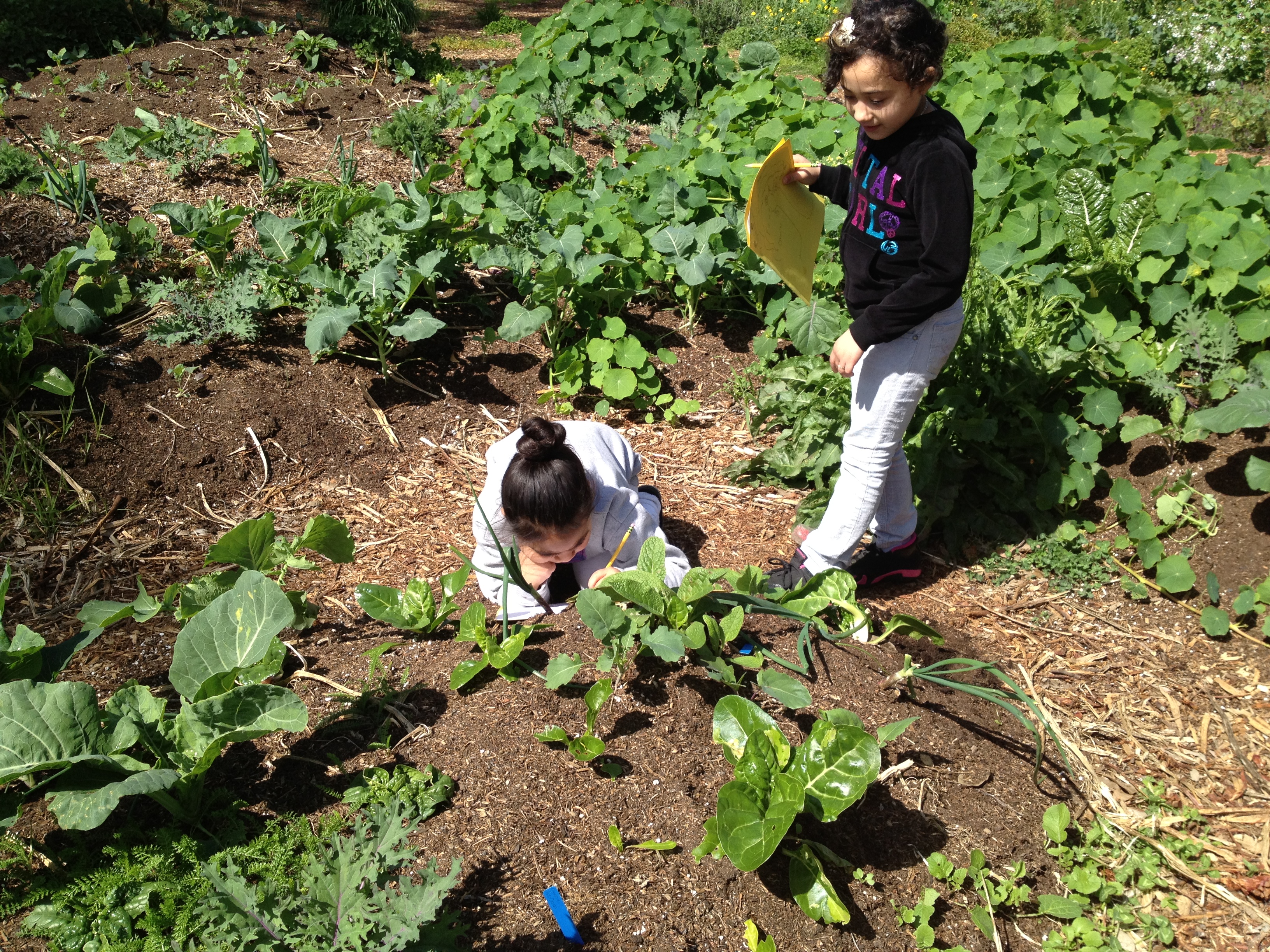
What are the benefits of PBL for teachers and students?
According to the National Education Administration, PBL “makes learning relevant to students by establishing connections to life outside the classroom and addressing real world issues. In the classroom PBL gives teachers an opportunity to build relationships with students by acting as their coach, facilitator, and co-learner.” In the past few years the increased access to technology in schools, even underprivileged ones like SFC, makes this type of learning much more accessible. The large format of the projects also lend themselves to being easily shared between teachers and with parents who are invested in the student’s learning process.
How are the educators at SFC implementing PBL?
It’s not an easy approach, especially if you have limited resources and time. According to the original proposal by Jessica Fishman, who is spearheading the project, “The Collaborative Planning Project (CPP) will allow SFC teachers to work together for three days in summer study groups to establish essential learning objectives, develop long-term project-based curriculum and develop common learning strategies for the coming year.”

The teachers used the text Understanding by Design by Wiggins & McTighe as their guide as they work through the ideas of backwards design and the building blocks of project based learning. The teachers were also be divided into groups based on grade ranges so that, when sharing, they could manage and engage each others needs and expectations as students moved through the school. This collaboration will create essential bridges between educators so that ideas and proposals may flow more easily between them.
After two years of implementation, where are they now?
Jessica Fishman was happy to report that the project met or exceeded all the goals they had set.
According to the proposal the goals were as follows:
- Project-based learning methods to support student learning in real-world, meaningful challenge-driven projects.
- Teachers will identify and develop performance-based assessment opportunities and rubrics that are aligned to the projects and indicate the extent to which students have mastered the essential learning outcomes.
- Culturally-relevant instructional strategies designed to engage and support students who are traditionally under-served by public schools.
- Vertical alignment and calibration of expectation and rigor K-8.
Student projects about volcanic eruptions.

By working in their individual grade level groups the teachers created concrete plans for their fall cycle. Not only did they create a solid collaboration plan, they created a set of assessments along with K-8 vertical integration and alignment. The problem they’ve run into both years was that very few teams had time to do initial planning. As a result, many teams were forced to meet again over winter break to finish their planning for the spring. The extra time spent in each others company only strengthened the personal and professional bonds between their educators. Now, with the project plans in place, it’s a much smoother transition for new teachers joining the project.
When teachers are able to truly collaborate it opens up worlds of opportunities, not only for the students, but for the educators as well. There is no reason to cease learning, especially when one is a teacher. The benefits of project based learning are clear, but the added collaboration between educators will only amplify that effect.
Further Reading
- Research Spotlight on Project-Based Learning
- What is Project Based Learning (PBL)?
- PBL – Problem Based Learning
- The Challenge of Problem Based Learning
Share this:

Real World Relevance Builds Career Skills at Digital Art Afterschool Studio
Where can students spend time after school honing career skills and building a portfolio?
Miami-Dade County (Fla.) Public Schools’ career-oriented program Digital Art Afterschool Studio offers students exactly that.
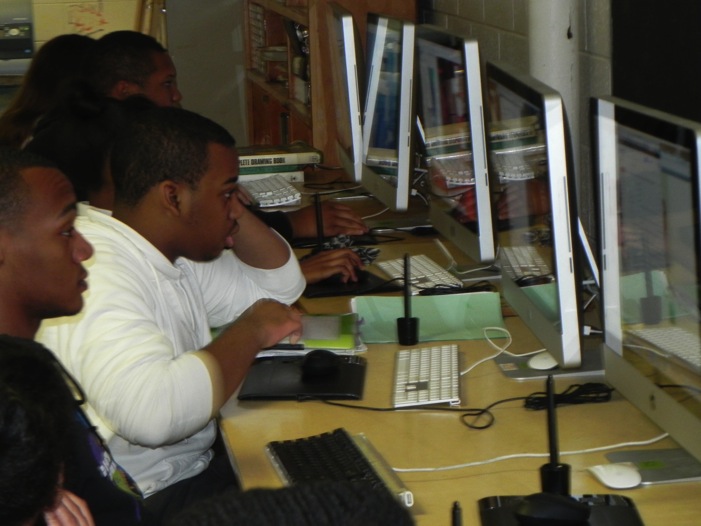
Last year, one of the biggest themes in the projects we funded was real world relevance. Students are often bored with classes that they can’t see themselves using in the real world. Tactile skill based courses such as Art and Music have limited career prospects when compared to STEM courses. The Digital Art After School Studio is a prime example of how to synthesize real world skills and arts education in a way that profits both the school and the students. Over the past three years they have turned from a tiny operation that struggled to find funding to a nearly self-sufficient model that will continue for years to come.
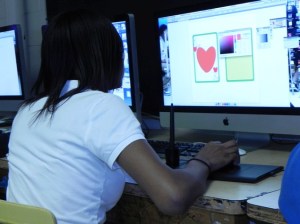
To recap, what is the Digital Art After School Studio?
The Digital Art After School Studio program was created with the idea of giving students with an interest in graphic design a place to learn the procedures and expectations of actual client-based projects. The initial goals were to give students exposure to a workplace environment and ideally an increased level of workplace etiquette and knowledge of practices. The other, more long-term goal for the program was to get students more in touch with the community in order to build a client base that will continue to support the program long after the grant funding ends.
According to their project report
“Once establishing these relationships, the students were expected to maintain contact with the client. This follow-up was intended to build community ties that would emphasize the relationship the school had within the community, as well as introduce the students as individuals of worth to the adults in the community who were involved in running small businesses.”
Where are they now?
First and foremost, the most unexpected and fantastic occurrence has been the increased student involvement and ownership of the program. Word of mouth has gotten so strong that they no longer need to recruit to replace graduating members. They have students lining up to put their name on the list. The students this past year even took their ownership of the program so far as to elect to rebrand it the “Painttank,” a think tank for artists. During the past year they’ve had numerous visitations from other schools that are interested in emulating their model. They see students voluntarily giving up their afternoon freedom to work on their own projects and wonder how they can reproduce this in their own schools. The answer is simple. By cultivating an atmosphere of independence and freedom to explore their individual styles, the students become personally invested in their own work and growth as artists. Not only that, it’s completely student driven in the hours after school, acting autonomously and driving its own progress forward.
One of the biggest victories the school has achieved is the founding of the Overton Foundation, a non-profit entity that allows for donations to be made without getting caught up in the bureaucracy of the school district. In previous years, it was difficult to distribute funds from those wanting to pay for the studio’s services.

“With this new entity we will now be able to create a cash flow that revolves around the work produced and reward those students involved with direct, over-the-board, payments. This will provide the opportunity for students to learn to keep a job budget and understand pricing. It also allows for our studio to bid on jobs, and provide invoices for those we complete.”
The Overton Foundation is key to the future self-sustainability of this project.
In terms of improvement, the program is always on the hunt for new clients. Most of the initial client base came from sources directly related to the student and school, but now with multiple accolades under their belts and a sizable portfolio, the Studio is looking to expand further into the community. With the hurdles of creating the Overton Foundation and the initial cost of computers and software suites out of the way, it’s really up to the students and their mentors to guide this program into the future.
And it’s looking like a bright one.
Gallery of Afterschool Studio Artwork
Further reading on Real World Enrichment
- Co-op Programs Becoming Popular for Real World
- The Great Debate – Education vs. Experience
- Real World Experiences
Learn More about Career-Oriented Curriculum
- Career and Technical Education: Research
- Linking Learning to Life
- Career-Oriented Curriculum Delivers Critical Skills
- Proof is in: Career-oriented education works
Share this:

Mariachi membership tunes up grades and turns on pride
Members of Tucson’s Mariachi Casabel Youth Organization take pride in new costumes and higher grades
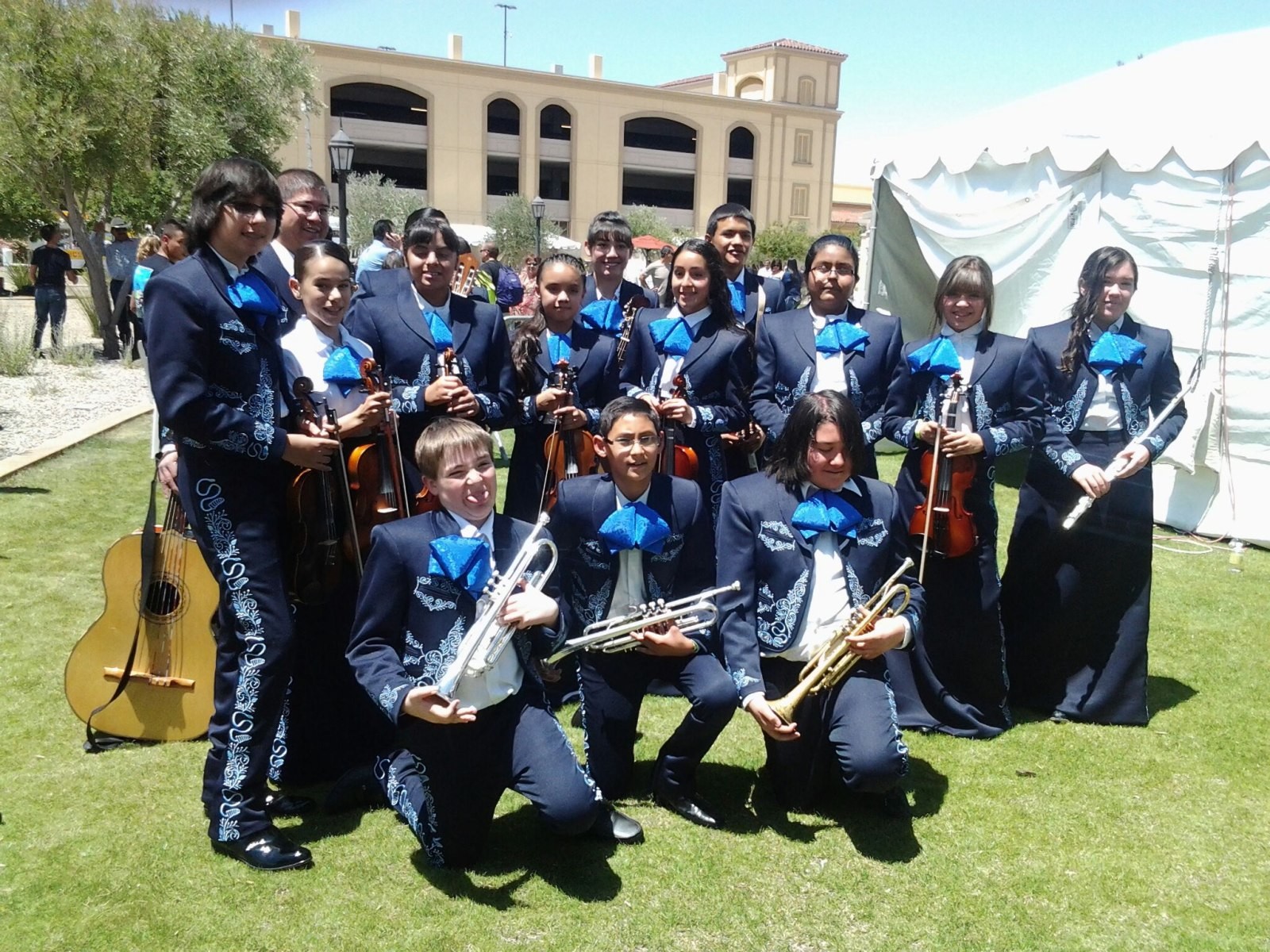
Last year the McCarthey Dressman Education Foundation funded the Mariachi Cascabel Youth Organization (MCYO), an innovative program attempting to combine academics with community engagement using music, specifically Mariachi music, as the binding agent. With Tucson’s Sunnyside Unified School District’s diminished music budgets there didn’t seem to be much hope for the group, especially since they needed new costumes. For mariachi, image is just as important as musical ability. Their costumes, called Trajes de Charro, don’t come cheap, especially if you want quality and authenticity. Organizer Daniel Dong proposed a unique project for improving not only the image of the musicians but also their success in math and science. Funded in 2013 by the McCarthey Dressman Education Foundation, this unique and special music education program has already made an exceptional impact.
… students in arts-integrated classrooms are more creative,
engaged,
and effective at problem solving
than their counterparts who are not in arts-integrated classrooms.”
– Arts in Education Research Study, Kennedy Center ArtsEdge
Setting the tone for academic success
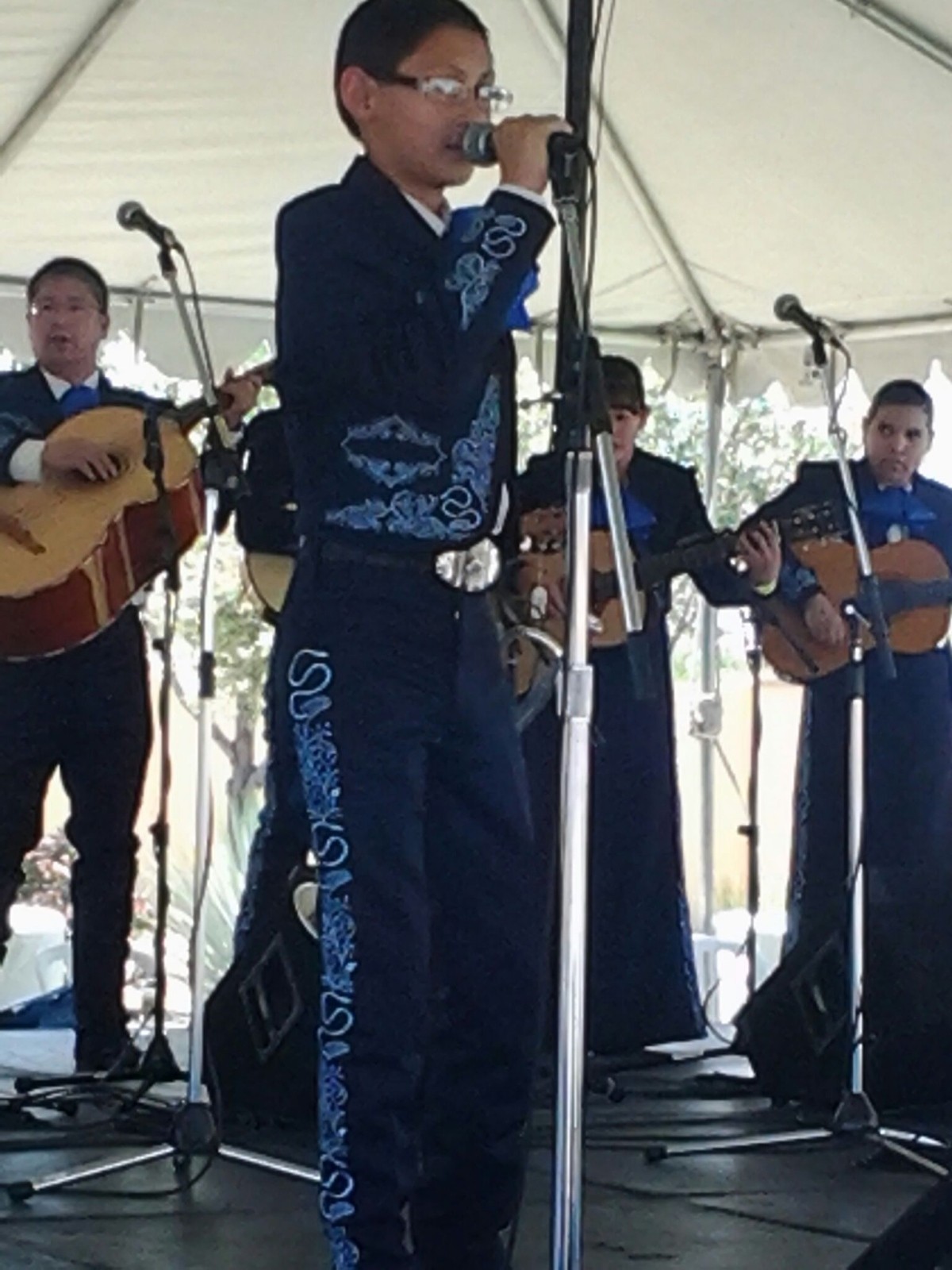
Research has indicated that students that who receive music education tend to do better, across the board, academically. This program takes it a step further by including a cultural component that has true community value. Daniel Dong’s idea was to help the Mariachi Cascabal Youth Organization Program, serving a primarily Hispanic district, be available to play in the community for all the most important celebrations. Even before funding they were able to play at a number of events including the Annual Latina Breast Cancer Conference and Mexican Mother’s Day festivals. He also coordinated within the school district to help MCYO get regular gigs at school carnivals and other related events.
Because within the district there is no other program like this, demand to get in is high. Here’s where the alignment with academics found a harmonious fit. The program instituted a requirement where students must retain passing grades or seek tutoring for those subjects. Now, not only were the students getting the benefits of a musical education, they were also more motivated to perform well in their other courses.
Costumes and instruments build pride, Tutors nurture brains
Because looking authentic was important for their success as legitimate mariachis within the community, the Foundation’s investment also went toward new costumes for the organization. They have currently received sixteen out of seventeen Trajes and are just waiting for the final jacket to come in to make their ensemble complete. The funding also provided new instruments for the group including two Prelude Violins, two Michoacána Vihuelas and four Yamaha Guitars from a local music company. Furthermore, students received three digital video cameras from Walmart to help document their experiments with the MCYO.
While a couple of students have fallen behind in their other academic courses, the tutors in math and science that have been provided are helping them reach their academic goals. In September, they held a large parent meeting to inform students and parents of all the benefits students receive by being involved in the MCYO. The prospects laid out got many parents excited which in turn helps the students realize the value of such a program.

There were, as always, some unexpected but not insurmountable costs. Trajes wear out quickly and they found they needed to bring their tailor up from Mexico City to do the measurements to make sure they got the highest quality Trajes. The Trajes were completed and shipped back to America in late April.
Culturally relevant music education and tutoring add up to better grades
From the beginning, the educators responsible for this project saw the value of a tutor. While the students were less than happy, initially, about being required to attend tutoring and a few stopped coming due to the requirements, many of those students returned and participated in the tutoring and watched their grades improve – a win for everyone involved.
Project educators also reported on how they could improve on this project for the next school year. Though they noted how enthusiastic parents were about tutoring, they couldn’t help but acknowledge how adverse the students were to it. They discussed ways to better sell that idea to students, so that this program and others patterned after it would find a lot more success. There were also important considerations that could be fine tuned in the future, such as streamlining the auditions, assessment of initial abilities and tutoring placement procedures.
Anecdotally, Daniel Dong reported, one of the biggest challenges was procuring the Trajes, which took about six months to obtain. Because they were authentically handmade in Mexico, however, the time was worth the wait.
All in all, the MCYO has been successful with their approach to using music education and tutoring to improve student success and creativity. They are on track to meet and exceed their proposed goal “to acquire mariachi outfits and musical instruments to help motivate students to be more engaged in their academics and to be positive role models in their community.”
What did the students have to say about their work?
MCYO members wrote about their experiences in the program and about attending the Tucson International Mariachi Conference.
Similar programs could be proposed in your other schools; take advantage of your local musical genres that impact your community the way that Mariachi music does in Tucson, Arizona, will be your real challenge.
For more information on the magic of music in academic enrichment, read on:
- Playing a musical instrument could boost brain function in kids (Digital Journal, 2014)
- Using Music in the Classroom to Inspire Creative Expression (Edutopia, 2014)
- New Evidence Links Music Education, Higher Test Scores (Pacific Standard, 2013)
Share this:

2nd Grade Startups with a Global Impact: A Pay it Forward Project
iPad Based Business Project Benefits Children in Africa
It is far too often that education simply consists of students taking in and regurgitating information, which does little but display retention skills. What is oft overlooked is how each student is developing as a person. So what if you could tie school work and kindness together in a way that teaches 21st century skills? That’s what the educators at St. Vincent’s Catholic School in Salt Lake City are doing. Their Pay it Forward project aims to both educate students about venture capitalism while also tuning up their social conscience by letting needy students in Africa be the beneficiaries of their profits.

How does Pay it Forward work?
The idea is exceedingly simple. At the start of Spring 2010, educator Rhea Hristou, project creator, gave each of her second graders five dollars.
“The children were asked to use that $5.00 as “seed” money to begin [their own startup] – some type of business venture that will turn the $5 into at least $15.00. Over one month, they could use the money for ingredients for cookies or lemonade for a food stand, posters for a garage sale, beads for jewelry to make and sell, or whatever they choose. At the end of that month, students do a presentation displaying their venture.”
Hristou then assisted the students in taking the profits and using them to gain entry for three children in Africa to a school sponsored by the Sisters of Notre Dame Mission in Uganda. Pretty cool, right? The project doesn’t stop there.
Integrating iPads
Hristou also requested ten iPads for technology center in her classroom to allow her students greater access to information about the children they were benefitting. Describing the benefit of these devices, she noted how many learning opportunities arose: “…apps to learn about the geography, cultures of Africa, a newspaper app to look up African current events, Math apps to help with funding and money collection, tools like Skype or email to communicate with the children in Uganda, and use presentation apps to help students present their ideas to the class.” The class based set of iPads were made available not only to the second grade, but also after school for other projects.
How can you replicate this program?
While ten iPads may seem like an expensive purchase for a school, they were lucky to find an independent donor to match five iPads if they were able to come up with the remainder. Remember, iPads aren’t necessary to begin teaching your students about business while also filling them with a social conscience. Using resources like those available through Pay it Forward Day, the charity chosen could be anywhere in the world.
When students know that they are making a tangible difference in their world, it fills students with a sense of pride while also bolstering their motivation to succeed at their task. If real lives are being affected, then the effort must be greater. An important lesson for any student.
This project started in 2010, so where are they now?
Student created startups were varied and ran the gamut from dog walking to making and selling pot holders to bake sales but the results were astounding! While only aiming to make a ten dollar profit on each student, Hristou was filled with pride to receive back an average of sixty five dollars a student. The iPads also were a hit, both for the teachers and the students. It allowed them unprecedented access to their African counterparts, while also providing tools and resources that expanded and shaped their world view.
The “Pay It Forward” model is an obvious success. Educating students while also giving them a more worldly view of their planet and filling them with a social conscience. In an increasingly globalized world these skills cannot be emphasized enough. For more information on the ideas in this project, please visit the websites below.
Further Reading:
- Teaching Kindness: More than a Random Act (Edutopia, 2013)
- Pay It Forward Kindness Project (Random Act of Kindness Foundation)
- “Pay It Forward” Service Learning Project Gathers Momentum (Beaver Creek City Schools)
- Pay It Forward Day Kit for Schools (Pay it Forward Day)
Share this:

Lesson Study: Improving Science at Willow Field Elementary School
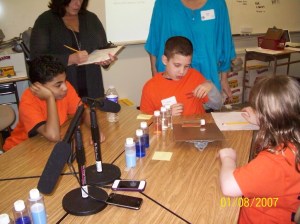
One of the biggest factors in positively impacting student learning is teacher’s self efficacy and skill in communicating quality instruction. If you aren’t a natural communicator, this isn’t the easiest skill set to develop. With an increased emphasis placed on ELA (English Language Arts) and mathematics instruction at the elementary level, science instruction seems to have fallen through the cracks. The teachers at Willow Field Elementary in Liverpool, NY have developed a proposal to address that very issue. How do they plan on doing this? Through “Lesson Study.”
What is lesson study?
It’s also known as kenkyu jugyo in Japan, where the technique was developed. It’s focus is on teacher collaboration to discuss learning goals and planning actual classroom lessons. This is followed by observation and revision so that other teachers can benefit from it. According to their original proposal, a lesson study cycle begins with a team of educators who determine the content on which they want to focus for the purpose of preparing a research lesson. In this case, it is with a focus on science education, though the model can be adapted to fit any subject.

How does the project work?
The project team meets regularly to study and discuss the national, state and local standards and reviews educational research regarding the content. In Willow Field Elementary’s case, they’ve been studying the new National Framework for Science Teaching, recent journal articles from the field of elementary science education and consulting with the Department of Science Teaching at Syracuse University to become more knowledgeable in elementary science content and teaching practices. Using what they’ve learned, they will collaboratively write a lesson plan, which will be taught to a group of students while at the same time having the lesson video taped for further discussion. All of this is done with the end goal of improving instruction. How specifically? By starting to teach more science than in the past, teachers gain comfort and improve teaching effectiveness. When combined with studying the national framework, research literature, and the data they have collected about student’s learning process and outcomes, teachers can more easily pass on what they have learned to other professionals.
What did the teachers study?
Three questions, specifically, are guiding teacher learning in this project.
- How do we design science instruction that makes students’ thinking visible?
- How can we meet our students’ needs and simultaneously address the new science framework?
- How will evidence of students’ learning be used to help us revise our original lesson?
How did they find the time?
Because lesson study requires teachers have time to plan, observe and reflect with each other, scheduling is difficult. With the logistical challenges inherent in this model, they have certainly faced an uphill battle. Gearing up in August was required; team members needed time to plan. The project went into full swing of September 2012 with nine elementary school teachers and a building principal meeting a Syracuse University doctoral student and science education professor to discuss the overview of the Lesson Study process to those new to the method. Shortly after, they met to determine their over all research focus.
Their goals:
- Students will be problem-solvers.
- Students will be inventive, creative and curious.
- Students will be risk-takers.
To help focus their efforts, teachers broke into three smaller teams, each dedicated to a grade and content specific focus.
- 2nd Grade Science- Understanding the Specifics Matter (two second grade teachers, doctoral student)
- 4th/5th Grade Science- The Force of Magnetism (two 4th Grade and one 5th Grade teacher)
- 6th Grade Art – Observational Drawing to Support Sketching in Science Notebooks (two Art teachers, one 6th Grade and one 3rd Grade teacher)
Once the teams were in motion, they could follow the traditional model for the next semester. So after a year and a half of the program, how is lesson study impacting the students and teachers of Willow Field Elementary?
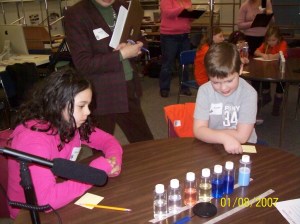
Impacting teachers, students, and administrators
With time, support and resources for lesson study, what were the teachers of Willow Field Elementary able to achieve?
- Teacher participants gained further pedagogical content knowledge with regard to science content knowledge, observational drawing and uses in science and, constructivist methods of teaching elementary science (versus direct instruction)
- Teacher participants expressed increased self-efficacy and confidence
- Students gained experience collecting data
- Students benefited from the many revisions to the lesson during the lesson study cycle
- Students engaged in authentic scientific experimentation
- Students gained content knowledge
- Students who volunteered on the Professional Development Day had the benefit of seeing their teachers as learners. They also experienced pride in playing a role in their teachers’ professional development.
In their project update, members wrote “Our lesson study team garnered increased support from the district administrators.” Seeing the model in action “allowed them to recognize the benefits of lesson study as an authentic model of professional development.”
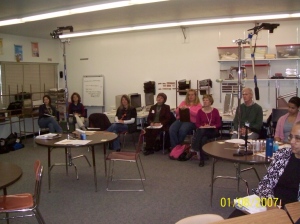
How could the project be improved?
With all of the positive outcomes, members reflected on ways to improve on their experience. They found it especially challenging to differentiate lesson study for the experienced and novice participants, though in future iterations this problem may simply solve itself through teacher collaboration. Scheduling and logistics, as always, was a nightmare. But the biggest problem they faced was that the current school structures do not support lesson study mechanisms. In order to widely adopt this model for nationwide consumption, a massive overhaul of our education system would be needed. However, for the individual school this method can prove invaluable in improving teaching and communication skills thus facilitating improved learning.
Further Reading
- Lesson Study: How Can It Build System-Wide Improvement? (Lewis, 2008)
- What is Lesson Study? (Teacher’s College, Columbia University, Undated)
- Lesson Study (Wikipedia, 2012)
- A Mathematics Leader’s Guide to Lesson Study in Practice (EDC, 2010)
- Chicago Lesson Study Group (McDougal, 2011)
Schools in the News using Lesson Study
- ‘Lesson Study,’ Japanese Strategy for Improving Teachers, Catching on in US (Lutton, 2012)
- Sherwood Middle Schools pilot collaborative Lesson Study, taken from Japan (Hammill, 2014)
Share this:

Project Go! Lab Classrooms offer job-embedded professional development
One of the problems facing educators today is the lack of time for personal and professional development. With overcrowded classrooms and heavy course loads it has become very difficult for many teachers to hone their craft or improve their teaching skills. This is a problem the teachers surrounding Project Go! at Rowe Middle School in Portland, Oregon are trying to address. Their strategy? Take a proactive approach to change, by improving and sharing their teaching craft through lab classrooms. Project Go! involves an ongoing series of lab classes, opening classroom doors to coaching in the midst of teaching. With classes often at capacity and teachers being forced to take their own, limited, time for professional development this project takes bold steps toward teacher development.
How does it work?
The first step Project Go! has taken to ensure teachers and educators have the time for professional development is to write half day substitutes into the budget. That way a teacher isn’t required to come in on an evening or weekend and they can rest assured that some one is teaching their students. With this half day, the teachers are given the opportunity to participate in teaching labs. Teachers participate in a preliminary meeting, lab site learning and debrief. With teachers being given opportunities to participate in these half-day labs, Project Go! supports their goal that “every educator engages in effective professional learning everyday so every student achieves.” Instructional practices, behavior management techniques, and pacing are all things to be discussed and deconstructed for the benefit of the educator. When paired with ongoing assessments, the teachers quickly find themselves with more education resources at their fingertips.
Teachers need learning structures that empower them professionally and enable them to collaborate with colleagues. (2010, ASCD)
So what do these labs look like?
Each lab takes a half day: an hour for a pre-briefing/discussion of what will be seen, the actual teaching, and the debrief to name and discuss what was seen, analyze the teacher choices and the student engagement. This model integrates the professional learning along with the learning of their students who will be gleaning the direct benefits of their teacher’s professional development. Not only that, the students will get to observe the review process where the teachers discuss with each other on their progress as teachers, and at the same time giving the students a better understanding of the tools and methods that will be utilized in the future.
How is this program unique from other professional development or peer review proposals?
Project Go! supports the newest teachers in the profession, setting the environment of a school in which doors are open, risks are taken, feedback is honest and immediate change is an ongoing reality. Mid-career teachers, who have often gotten used to being the only adult in the room, will find it energizing, intellectually stimulating and welcoming to either share their practice or participate by watching and dialoguing about a colleagues craft. Veteran teachers are equally invited into an invigorating opportunity for growth; many veteran teachers have so much to teach our newer teachers but have no means in which to do so. By facilitating the purposeful opening of the teaching practice Project Go! provides a time and place for teachers to participate without hamstringing them by adding extra workload.
What has been learned in the three years this project has been operating?
According to their report, the program has had a significant affect on teacher learning and therefore on student learning.
“We are changing the way we provide professional development for teachers by making sure the work is being done in real classrooms, with real students, and in real time. This models the metacognitive processes that teachers go through as they plan, teach, and reflect. A pleasant and meaningful surprise that has manifested itself throughout the past three years has been our students observing and learning from our metacognition. Students share how much they learn from listening to the teachers dialogue with one another. They give us insight into what is helpful/not helpful in the process of teaching new information.”
That being said, they have not been without their challenges. Scheduling labs around different teachers classroom schedules has proven more difficult than anticipated. The educators also have some worry over the sustainability of the project, due to the sub coverage. This lead them to reach out to Portland State University and form a partnership with the goal of identifying new strategies for sustaining this model. Though new strategies will take time to implement, teachers are encouraged by the practice of learning from colleagues in action.
All in all the teachers of Rowe Middle School have taken a very proactive approach to improving their craft and educational standards. Through collaboration and evaluation, these teachers have seen improvements in both their educator peers and students. With budgets growing ever tighter, this may be a difficult model for other schools to follow, but the rewards are clear. Any school wanting to create an environment of professional cross-pollination, where teachers are working with teachers and students gain the benefit should look into building a Project Go! of their own.
Related links
- Demonstrating Teaching in a Lab Classroom (2010, ASCD)
- Laboratory Classrooms – Frequently Asked Questions (2011, EBCERI)
- Learning by Observing Colleagues in Action (2006, Responsive Classrooms)
Share this:

Deadline for 2014/2015 Funding Is April 15; $10,000 Grants and $6,000 Scholarships Available
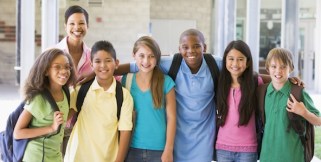
Professor Sarah J. McCarthey, President of the McCarthey Dressman Education Foundation, announced that the Foundation is now accepting applications for 2014/2015 academic year grants and scholarships. Deadline for applications is April 15, 2014.
For the 2013-2014 school year, the Foundation disbursed over $141,000 to efforts supporting minority and economically disadvantaged students. Funding was disseminated through grants and scholarships to innovative enrichment programs. McCarthey noted that successful projects are “outstanding in their conceptual sophistication, their real-world significance and their collaborative focus… help[ing] students achieve Common Core Standards, but also go[ing] beyond the standards to develop innovative contributions to their communities” (PRWEB, 2013). Examples of successful projects can be found on the Foundation’s blog including the service learning program for teens at the Center for Family and Community Outreach (CFCO) in Evansville, Indiana and Microfinance in Action, a global citizenship project designed to build leadership skills and teach economics in Memphis, Tennesee.
Student Teaching/Mentoring Scholarships are funded in the amount of $6,000 each Full-time student specializing in elementary or secondary education who are in their final year of teacher education programs at New Mexico State University, University of California at Santa Cruz, University of Texas at Austin and Stephen F. Austin State University are eligible to apply for the one-year Student Teaching Scholarships.
Teacher Development Grants and Academic Enrichment Grants are funded in an amount up to $10,000 each per year for a maximum of three years provided the eligibility requirements continue to be met.
Applicants are strongly encouraged to review frequently asked questions before applying.
The Foundation receives hundreds of applications each academic year funding from public, private and charter schools in both urban and rural areas. Including the projects mentioned above, the McCarthey Dressman Education Foundation funded 22 enrichment efforts for the 2013-2014 school year. Recipients include the New York Urban Debate League and The Water Quality Project. The application deadline is April 15 of each year for proposals with significant potential to enrich the educational experiences for youth.

 McCarthey Dressman Education Foundation