
teachers
Breaking Barriers with “Aire Libre”
At Yerba Buena High School in San Jose, California, a groundbreaking initiative is transforming the educational experience for at-risk students. Introducing “Aire Libre,” a project designed to remove both literal and metaphorical barriers, provides students with the freedom to explore the natural world and unlock their intellectual and creative potential.
“Aire Libre” translates to “free air,” and encapsulates the vision for the project. Many students face challenges that limit their opportunities—being students of color, low-income backgrounds, and often part of immigrant families. The project has created an environment where they can break free from these constraints and thrive.
The TERRA Club: A Foundation for Growth
The journey began with the TERRA club, co-led by Karen Lo and Ivon Rodriguez. This inclusive space teaches students about gardening and animal husbandry, including caring for a flock of chickens. What started as a beautiful garden on campus has evolved into a dynamic learning environment, fostering “unintentional” learning through hands-on experiences.
Connecting Education and Nature
Aire Libre is not just about gardening; it’s about education that is relevant and enriching. The curriculum is linked to student learning outcomes and focuses on:
- Environmental Education: Students engage in activities that promote awareness of environmental issues while hypothesizing and experimenting with solutions.
- Culinary Exploration: By cooking recipes from various cultures using fresh, organic produce, students learn about nutrition and the importance of healthy eating.
- Mental Health Awareness: Gardening has been shown to alleviate stress, anxiety, and depression, making it a vital component of our project.
- Personal Development: Lessons centered around perseverance, responsibility, and patience help students grow into well-rounded individuals.
A Collaborative and Community-Centric Approach
Aire Libre was integrated into the AVID (Advancement via Individual Determination) program and made available to all interested teachers. A collaborative spirit among educators was developed while ensuring that every student had access to these transformative experiences.
Further, families participated in the garden alongside their children. This initiative not only strengthened community ties but also emphasized the importance of holistic health, encouraging families to bring fresh produce home.
Cultivating Learning: The Impact of the Aire Libre Garden Project
The Aire Libre garden project was initiated with clear and impactful goals: to establish a spiraling curriculum that integrates Schoolwide Learner Outcomes, environmental education, and the promotion of physical, mental, and emotional health. Our aim was not just to create a green space, but to turn it into a vibrant educational hub accessible to every teacher on campus.
In our efforts to integrate the garden into the curriculum, we collaborated with former students now at UC Berkeley to develop five reproducible lesson plans for grades 9-12. These lessons have been embraced by teachers across various subjects, including AP Environmental Science, Photography, Art, and English Language Development. The results have shown an impressive increase in student engagement. In 2023-2024 alone, over 2,300 students interacted with the garden—a remarkable jump from just 678 in 2018-2019. This growth reflects a deepening connection between students and their environment, and a growing interest from teachers to utilize this outdoor classroom for core instruction.
Led by five dedicated teachers, curriculum lessons were implemented in eleven classes. Through student surveys, we tailored lessons to reflect their interests, ensuring that the garden remains a space where learning is both relevant and engaging. Mini-lessons, often centered around student curiosity, have proven effective. For instance, one student with aspirations in entomology worked with peers to explore the role of insects in our ecosystem, leading to the introduction of beneficial insects like Black Soldier Fly Larvae in the garden.
Impact on Students and Teachers
The impact of the Aire Libre garden on student learning has been profound. Self-evaluations indicate that students feel they have improved across all areas of the Schoolwide Learner Outcomes. The garden has become a sanctuary for personal growth, fostering mental health and motivation among students. Teachers are also noticing the benefits; the experiential learning opportunities provided by the garden have sparked interest and engagement in subjects that may have once felt distant from students’ lives.
The Aire Libre garden has blossomed into a vital resource for our school community. With ongoing dedication and adaptability, we look forward to enhancing the curriculum and further enriching the educational experiences of our students. Together, we are cultivating not only plants but also a love for learning and a respect for our environment.
Be sure to visit the Instagram page for an in depth look: https://www.instagram.com/terra.ybhs/
Share this:

Bringing History to Life: Education Trunks Connecting Oklahoma’s Diverse Communities
To engage Oklahoma students with the rich, yet often overlooked, history and culture of the state, a transformative educational initiative was launched—creating two educational “exhibit in a box” trunks available for teachers to check out at no cost. These trunks focused on topics vital to understanding Oklahoma’s diverse communities: Latinos in Oklahoma and Migration and Oklahoma. By making these resources accessible to educators across the state, the project aimed to preserve and share the histories of Oklahoma’s people while supporting classroom learning.
Oklahoma is home to many communities, including a large Latino population, and the educational gaps regarding their contributions and stories have been significant. For example, many of the histories and experiences of Latinos in Oklahoma were undocumented, making research and preservation essential.
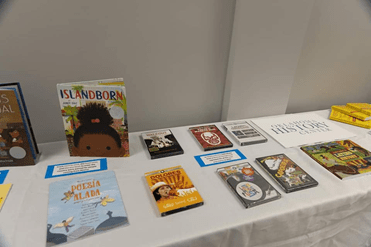
The project proposed created two educational trunks, one focused on Latinos in Oklahoma and the other on Migration and Oklahoma. The trunks were designed to be comprehensive educational resources that can be checked out by teachers, community organizations, and other educators, offering a hands-on way to engage students in learning about Oklahoma’s diverse history.
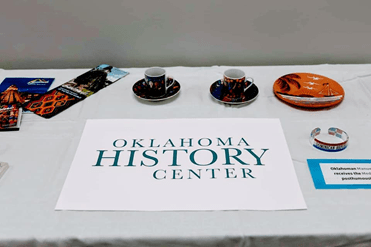
Research, Community Engagement, and Collaboration
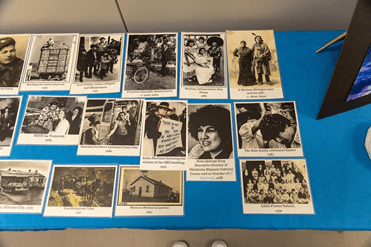
Because the history of Latinos in Oklahoma had not been widely documented, the team involved community experts. By working closely with local leaders, historians, and community members, the project grew beyond the original scope. Not only were the trunks developed, but valuable partnerships were formed, new educational materials were created, and additional resources for future research were collected. This collaboration allowed for a deeper understanding of the subject matter and ensured that the trunks would resonate with the communities they represented.
Impact on Students, Teachers, and the Community
The Latinos in Oklahoma trunk has had a significant impact on students. For many, it fills a critical gap in their understanding of the state’s history. For example, one teacher shared how the trunk materials enabled her students to connect with the subject matter in a deeper, more meaningful way than traditional textbooks could. Beyond classrooms, the project has also inspired new academic work. Jorge Luis Chavez, a public history graduate student at Oklahoma State University, used the research materials created for the trunk in his thesis and joined the team in a new role—showcasing how the project has led to further opportunities for the next generation of scholars.
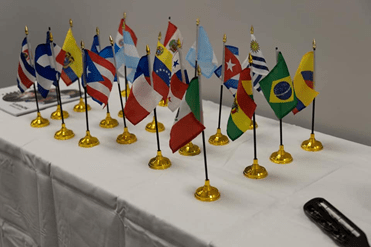
The project’s broader impact extends beyond the classroom. For instance, oral histories from members of the Latino community are now being collected and preserved for future research. These histories are included in the trunks and are being sent to research libraries for broader access. The partnership with Oklahoma City Public Schools’ Language and Cultural Services department has been instrumental. The department has helped refine the trunks and will support English Language Learners (ELLs), particularly through the inclusion of stories from newcomer students in the book Where the Rainbow Ends. This collaboration has emphasized the importance of culturally relevant, hands-on materials for ELL students.
Expanding Reach and Impact
As both trunks become available to a broader range of educators, they will become an integral part of Oklahoma’s educational landscape. With additional partnerships, continuous feedback, and the ongoing creation of supplementary materials, these trunks will play a key role in helping students across Oklahoma connect with the state’s rich and diverse history.
This project stands as a testament to the power of collaboration, education, and the importance of preserving the stories of all communities.
To request a trunk or view its contents, please visit https://www.okhistory.org/historycenter/trunktopics

 McCarthey Dressman Education Foundation